

When you’re running a busy factory or a large warehouse, the floor takes a serious beating. We’re talking heavy forklifts, dropped tools, maybe some chemical spills – the usual stuff. Traditional concrete can only handle so much before it starts cracking or staining. That’s where industrial epoxy flooring solutions come in. They’re built tough to handle all that stress and keep your workspace looking good and running smoothly. Let’s talk about why these floors are such a smart choice for demanding places.
Key Takeaways
- Industrial epoxy flooring solutions are super strong, able to hold up to 10,000 pounds of weight and impacts without breaking.
- These floors resist damage from common industrial chemicals like oils, solvents, and acids, which is great for keeping things clean.
- With simple cleaning, like sweeping and mopping, these floors can last over 15 years, saving you money in the long run.
- They create a smooth, non-porous surface that’s easy to clean and helps prevent dust from getting into the air.
- You can customize them with different colors, add your company logo, and even include safety markings to make your workspace safer and more organized.
Exceptional Durability and Strength of Industrial Epoxy Flooring Solutions
When you’re running a busy industrial operation, the last thing you want to worry about is your floor giving out. That’s where industrial epoxy flooring really shines. It’s built tough to handle just about anything you can throw at it. Think about the constant movement of heavy machinery, forklifts loaded with goods, and the general wear and tear that happens every single day. Standard concrete just can’t keep up.
Withstanding Extreme Weight Loads and Impacts
These epoxy systems are seriously strong. They can support loads of up to 10,000 psi, which is a massive amount of weight. This means forklifts and other heavy equipment can move around without causing cracks or damage. It’s not just about static weight, either. If tools or materials get dropped, the epoxy coating absorbs a lot of that impact. This prevents the kind of chipping and cracking that you see on regular concrete floors, saving you from costly repairs down the line. We’ve seen floors handle dropped equipment repeatedly without showing much wear at all.
Superior Abrasion Resistance Against Daily Wear
Daily operations mean constant friction. Whether it’s the tires of forklifts, the skids of pallet jacks, or just the sheer volume of foot traffic, your floor takes a beating. Epoxy coatings create a surface that’s incredibly resistant to this kind of abrasion. We apply multiple layers, building up a tough shield that stands up to the constant grind. This means your floor looks better for longer and maintains its protective qualities even after years of heavy use. It’s a big difference compared to how quickly regular concrete can wear down.
Long-Term Structural Integrity and Cost-Effectiveness
Because epoxy flooring is so resilient, it maintains its structural integrity for a very long time. Many businesses find their epoxy floors last 15 years or more with just basic upkeep. This longevity makes it a really smart investment. You avoid the frequent repair costs associated with damaged concrete, and you keep your operations running smoothly without interruption. It’s a flooring solution that truly pays for itself over time, providing a reliable surface for your industrial facility.
The way epoxy works is through a chemical bond that creates a solid, unified surface. This isn’t just a paint layer; it’s a coating that becomes part of the concrete itself, distributing stress and resisting damage in a way that surface treatments can’t match.
Enhanced Safety Features in Industrial Epoxy Flooring
When you’re running a busy industrial operation, safety isn’t just a buzzword; it’s a necessity. That’s where industrial epoxy flooring really shines, offering a few key advantages that make your workspace safer for everyone.
Improved Traction with Non-Slip Additives
One of the biggest risks in any industrial setting, especially those with liquids or frequent cleaning, is slipping. Standard concrete can get slick pretty fast. Epoxy flooring can be mixed with special additives that give it a textured surface. This means better grip for your employees, whether they’re walking or operating machinery. It significantly cuts down on the chances of accidental falls. Think about areas where spills are common, like near processing equipment or loading docks; adding these non-slip elements makes a huge difference. It’s a simple addition that provides a lot of peace of mind.
Increased Visibility Through Reflective Properties
Bright, well-lit spaces are inherently safer. Epoxy floors often have a natural gloss that reflects light. This means your facility can be brighter without necessarily needing more overhead lights, which can save on energy costs too. Plus, you can get epoxy in various colors, allowing you to clearly mark walkways, safety zones, or hazardous areas. This visual organization helps prevent confusion and keeps people moving in the right direction, away from potential dangers. It’s a smart way to guide traffic and highlight important areas within your industrial facility.
Reduced Dust for Better Air Quality
Concrete floors, especially older ones, can be dusty. That dust gets kicked up by foot traffic and machinery, floating around and potentially causing respiratory issues or contaminating products. Epoxy creates a solid, sealed surface. This means no more dust being generated from the floor itself. It traps any existing dust and prevents new particles from forming, leading to cleaner air and a healthier environment for your team. It’s a win-win for both worker well-being and operational cleanliness.
Keeping your facility safe and your workers healthy is a top priority. Epoxy flooring provides practical solutions that address common industrial hazards, making your operations smoother and more secure.
Chemical and Spill Resistance for Demanding Environments
Non-Porous Surface Resisting Harsh Substances
Think about what happens when you spill something on regular concrete. It soaks right in, right? That’s a big problem in industrial settings where spills are common. Epoxy flooring creates a solid, non-porous barrier. This means liquids, whether it’s water, oil, or something a bit nastier, can’t seep into the concrete underneath. This keeps your concrete from getting stained or damaged over time. It’s like putting a shield on your floor. This feature alone makes it a top pick for places like food processing plants or labs where cleanliness and preventing contamination are super important.
Protection Against Acids, Solvents, and Oils
Industrial environments often deal with a cocktail of chemicals that can eat away at ordinary surfaces. Acids, solvents, and oils are common culprits. Epoxy flooring systems are specifically formulated to stand up to these aggressive substances. They don’t break down, discolor, or degrade when exposed to them. This means you can have forklifts dripping hydraulic fluid or cleaning crews using strong solvents without worrying about your floor taking a beating. It’s a tough defense against the everyday chemical onslaught.
Here’s a quick look at how epoxy holds up against common industrial chemicals:
| Chemical Type | Resistance Level |
|---|---|
| Acids | Excellent |
| Solvents | Very Good |
| Oils & Grease | Excellent |
| Alkalis | Good |
| Alcohols | Very Good |
Maintaining Integrity in Food Processing and Labs
In places like food processing facilities and laboratories, the floor isn’t just about looks or durability; it’s about safety and compliance. The non-porous nature of epoxy means it’s incredibly hygienic. Bacteria and mold have nowhere to hide and multiply. Plus, the resistance to a wide range of chemicals, including cleaning agents, means you can maintain sterile conditions without damaging the floor. This makes it a reliable choice for environments where even small contaminants can cause big problems. It helps keep everything clean and up to code, which is a huge relief for facility managers.
Low Maintenance and Easy Cleaning for Industrial Epoxy Flooring
One of the big wins with industrial epoxy flooring is how simple it is to keep clean. Seriously, it’s a game-changer for busy places.
Seamless Surface Preventing Dirt Accumulation
Because epoxy creates a solid, one-piece surface, there aren’t any grout lines or cracks where dirt and grime love to hide. This means less scrubbing and more time for actual work. Think about it – no more trying to dig out gunk from tiny spaces. It’s a smooth, non-porous finish that liquids just can’t soak into, which is a huge plus when you’re dealing with spills.
Simple Cleaning Routines for Optimal Condition
Keeping your epoxy floor looking good doesn’t take much. Most of the time, a good sweep to get rid of loose stuff is all you need. For a deeper clean, just a mop with some warm water and a mild cleaner will do the trick. It’s really that straightforward. You can tackle tough spots, like rust stains, with a sponge and a bit of elbow grease, and then just wipe it clean. Regular cleaning really helps keep the floor looking its best for a long time. We’ve seen floors that are over 15 years old still looking great in high-traffic spots, just from simple care.
Cost-Effectiveness Through Reduced Upkeep
When you add up the time and money spent on cleaning and maintaining other types of floors, epoxy really shines. The minimal effort required means lower labor costs, and the durability means you’re not constantly paying for repairs or replacements. It’s a smart investment that pays off by saving you resources down the line. For example, dealing with spills right away can save you thousands in potential repair costs later on. It’s a practical choice for any industrial setting where efficiency matters. You can find more details on maintaining your epoxy garage floor coatings to keep them looking sharp.
Customization and Aesthetic Appeal of Epoxy Flooring
Beyond just being tough, industrial epoxy flooring can actually look pretty good too. It’s not all just grey concrete anymore. You can really tailor the look of your workspace to match your company’s vibe or just make it a more pleasant place to be.
Variety of Colors and Finishes Available
Seriously, the color options are wild. You can go with a classic look, something bright and bold, or even get custom color blends. Plus, there are different finishes – some are super glossy, others have a more matte feel. It’s a simple way to make a big difference in how your facility looks and feels. You can pick a color that helps with visibility, or just one that makes the place feel less like a sterile box. It’s about making the space work for you, visually speaking.
Branding Opportunities with Logos and Markings
Want your company logo right there on the floor? You can do that. It’s a neat way to reinforce your brand identity every day. Beyond logos, you can also use different colors or patterns to mark out specific areas. Think walkways, safety zones, or where certain equipment should go. This helps keep things organized and makes it easier for everyone to know where they’re supposed to be and what they’re supposed to be doing. It’s functional design, really.
Designating Specific Areas with Custom Designs
This is where things get really interesting. You can use epoxy to create clear visual cues throughout your facility. For example, you might use a bright color for emergency exits or a different texture for areas where extra traction is needed. It helps guide people and equipment, reducing confusion and potential accidents. It’s like painting a map directly onto your floor, but way more durable. This kind of zoning can really improve workflow and safety, especially in busy places. You can even incorporate patterns or aggregate chips for added visual interest and grip. It’s a smart way to get more out of your industrial flooring solutions.
Using custom designs isn’t just about looks; it’s a practical tool for managing operations and improving safety. It helps direct traffic, highlight hazards, and create a more organized environment, all while looking good.
The Evolution and Types of Industrial Epoxy Flooring Solutions
Modern Formulations for Enhanced Performance
Epoxy flooring isn’t what it used to be. We’ve seen a big shift from the basic, utilitarian coatings of the past to some really advanced stuff now. Modern epoxy formulations are engineered for much higher performance, meaning they can handle more stress, last longer, and offer better protection than older versions. Think about it – the industrial world keeps getting tougher, and the flooring needs to keep up. These newer formulas often include special additives that boost things like UV resistance, flexibility, and even impact absorption. It’s not just about a hard surface anymore; it’s about a smart surface that works with the environment it’s in.
Self-Leveling Epoxy for Seamless Surfaces
If you’ve ever dealt with cracked or uneven concrete floors, you know how much of a pain they can be. That’s where self-leveling epoxy really shines. When you pour it, this stuff naturally spreads out and smooths itself over the existing surface. It fills in all those little pits and cracks, creating a perfectly flat and seamless finish. This makes cleaning a breeze because there are no nooks for dirt or liquids to get trapped in. Plus, it just looks a lot cleaner and more professional, which can make a difference in how people perceive your facility.
High-Build Epoxy for Enhanced Strength
For places that get really heavy use, like manufacturing plants with forklifts or warehouses stacked high with goods, standard epoxy might not cut it. That’s where high-build epoxy comes in. This type of flooring is applied much thicker than regular epoxy, sometimes several millimeters deep. This extra thickness gives it a serious boost in strength and durability. It’s designed to take a beating from heavy machinery, constant traffic, and even dropped tools without chipping or cracking. It’s a bit more of an investment upfront, but for demanding environments, the long-term payoff in terms of floor integrity is huge.
Here’s a quick look at how different types stack up:
| Type of Epoxy | Key Feature | Best For |
|---|---|---|
| Self-Leveling | Creates a smooth, even surface | Uneven concrete, areas needing easy cleaning |
| High-Build | Applied thicker for extra strength | Heavy traffic, machinery, impact resistance |
| Epoxy Mortar | Mixed with aggregates for extreme durability | Areas with heavy impact, chemical spills, high-traffic zones |
| Quartz-Filled | Contains quartz granules for grip | Areas needing slip resistance, safety-focused environments |
| Antistatic | Dissipates static electricity | Electronics manufacturing, areas with sensitive equipment |
| Flake Epoxy | Includes decorative chips for aesthetics | Showrooms, retail spaces, areas wanting a decorative, durable finish |
Worker Safety and Environmental Benefits of Epoxy Flooring
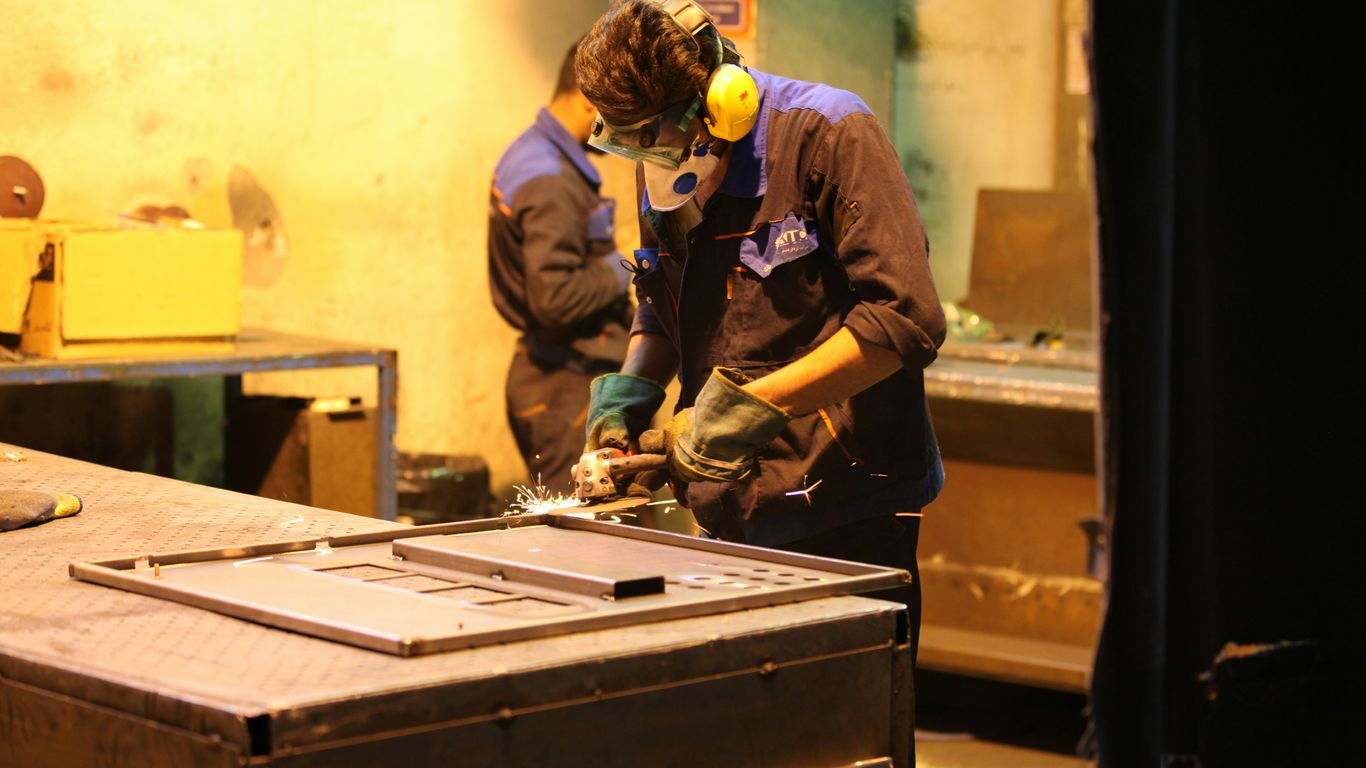
When you’re running an industrial operation, keeping your crew safe and thinking about the planet are big deals. Epoxy flooring really steps up here, offering some solid advantages that go beyond just looking good or being tough. It’s about creating a better, safer place to work and being a bit kinder to the environment.
Shock Absorption and Joint Comfort for Workers
Think about your team spending hours on their feet. Traditional concrete floors can be really hard, leading to sore feet and aching joints over time. Epoxy floors, especially when installed with certain additives, can provide a bit of give. This shock absorption makes a noticeable difference in comfort during long shifts. It’s not like a cushy mat, but it’s definitely better than pounding on plain concrete all day. This can lead to less fatigue and fewer complaints about aches and pains, which is a win-win for everyone.
Eco-Friendly Formulations with Low VOCs
Many modern epoxy systems are formulated with the environment in mind. You’ll find options that have low VOCs, which stands for volatile organic compounds. These are basically chemicals that can get into the air and aren’t great for air quality, especially during installation. Choosing low-VOC epoxy means you’re cutting down on those emissions, making the installation process healthier for the installers and anyone working nearby. It’s a step towards a greener facility, and frankly, it just feels better knowing you’re not putting a ton of harsh chemicals into the atmosphere. Many companies are now looking for these types of industrial epoxy floor coatings for their facilities.
Energy Efficiency Through Light Reflection
Here’s a neat trick: epoxy floors often have a bit of a sheen to them. This isn’t just for looks; that slight glossiness actually reflects light. What does that mean for your facility? It means your lights can do a better job of illuminating the space. You might find you don’t need as many lights on, or you can use lower-wattage bulbs, which can trim down your electricity bill. It’s a small thing, but over time, those energy savings add up, and it contributes to a brighter, more productive work environment without extra effort.
The combination of improved worker comfort and reduced environmental impact makes epoxy flooring a smart choice for businesses that care about their people and their footprint. It’s a flooring solution that works hard while also being mindful of the bigger picture.
Our epoxy floors are tough and good for the planet. They make your space safer by giving a non-slip surface and are easy to clean, which helps keep the air quality good. Want to know more about how these floors can benefit your home or business? Visit our website today to explore the advantages!
Wrapping Up: Your Go-To for Tough Floors
So, when you really look at it, industrial epoxy flooring is a solid choice for places that see a lot of action. It holds up well against heavy stuff, spills, and just the general wear and tear of a busy workplace. Plus, it doesn’t need a ton of fuss to keep it looking good, which saves time and money in the long run. Investing in a good epoxy floor means you’re setting your facility up for years of reliable performance, keeping things safe and looking professional without constant worry about the floor itself.
Frequently Asked Questions
What makes industrial epoxy floors so tough?
Industrial epoxy floors are super strong because they are made from a special mix of resin and hardener. This mix creates a tough surface that can hold up a lot of weight, like from forklifts, and also resist scratches and damage from dropped items. Think of it like a superhero shield for your floor!
Are epoxy floors safe to walk on?
Yes, they can be made extra safe! We can add special materials to the epoxy that make the floor less slippery, even if it gets wet. This helps prevent people from falling, which is really important in busy work areas.
Can epoxy floors handle spills?
Absolutely! Epoxy floors have a smooth, non-porous surface. This means liquids like oil, chemicals, or even juice can’t soak into the floor. They just sit on top, making them easy to wipe up without staining or damaging the floor underneath.
How long do these floors usually last?
When installed correctly, industrial epoxy floors can last for many years, often 15 years or more! They hold up really well against daily wear and tear, so you won’t have to worry about replacing them too often, which saves money in the long run.
Is epoxy flooring hard to clean?
Not at all! Because the surface is smooth and doesn’t have many cracks or gaps, dirt and dust don’t get trapped easily. A simple sweep and occasional mop are usually all it takes to keep them looking great.
Can I make my epoxy floor look cool?
Definitely! You can choose from lots of different colors to make your workspace look nice. You can even add your company’s logo or special markings to show people where to go or to make your brand stand out.
0 Comments