

Picking the right floor can be a real head-scratcher, right? You’ve got these two popular choices, epoxy and polished concrete, that both look pretty slick and are supposed to be tough. But what’s the deal? They seem similar, but they’re actually pretty different. This article breaks down the epoxy vs polished concrete situation, looking at how they hold up, what they look like, how they get put down, how to keep them looking good, where they work best, and what they cost. We want to help you figure out which one is the best fit for whatever space you’re working with.
Key Takeaways
- When comparing epoxy vs polished concrete, both offer benefits for busy areas, but each has its own strengths.
- Getting a pro to install either polished concrete or epoxy flooring is a good idea to make sure it’s done right and lasts.
- Polished concrete tends to last longer and needs less upkeep, making it a good value over time, even if it costs a bit more upfront.
- Epoxy flooring provides more options for color and design, and it’s really good at resisting chemicals and heavy impacts.
- The best choice between epoxy vs polished concrete really comes down to what you need for your space, how much you want to spend, and what look you’re going for.
Understanding The Core Differences: Epoxy vs Polished Concrete
When you’re trying to figure out the best flooring for your place, whether it’s your home or a business, you’ve probably come across two big contenders: epoxy and polished concrete. They both start with a concrete slab, but they end up looking and performing pretty differently. It’s not just about how they look, though; their toughness, how long they last, and what it takes to keep them looking good are all part of the puzzle.
Durability and Longevity Under Stress
Both epoxy and polished concrete are known for being tough, but they handle stress in different ways. Polished concrete is essentially a concrete slab that’s been ground down and buffed to a high sheen. This process hardens the surface, making it more resistant to wear and tear. It’s pretty good at handling everyday foot traffic and even some heavier loads without much fuss. Think of it as a really well-maintained natural surface.
Epoxy, on the other hand, is a coating applied over the concrete. It’s a resin-based system that creates a thick, protective layer. This layer is exceptionally good at resisting impacts, abrasions, and heavy machinery. If you’ve got a garage where you’re constantly dropping tools or a workshop with forklifts, epoxy is designed to take that kind of abuse. It forms a seamless, non-porous barrier that’s incredibly hard to scratch or chip.
Resistance to Traffic and Chemical Exposure
When it comes to resisting things that can damage a floor, epoxy generally has the edge, especially when it comes to chemicals. Spills are a common worry, right? Polished concrete can handle some spills, but certain chemicals, like acids or strong solvents, can etch or stain the surface over time. It’s not ideal for areas where you’re regularly dealing with harsh substances.
Epoxy flooring, however, is practically built for chemical resistance. Its non-porous nature means that most common chemicals, oils, and greases just bead up on the surface, making them easy to wipe away without leaving a mark. This makes it a go-to for places like garages, workshops, commercial kitchens, and industrial facilities where spills are a regular occurrence. For heavy traffic, both can hold up, but epoxy’s added protective layer often gives it a slight advantage in preventing wear patterns in the busiest spots.
Lifespan and Maintenance Considerations
This is where things get interesting because the lifespan and maintenance needs can vary quite a bit. A well-maintained polished concrete floor can last for decades, often as long as the building itself. Its maintenance is pretty straightforward: regular sweeping, vacuuming, and occasional damp mopping with a pH-neutral cleaner. It doesn’t typically require sealing or recoating unless it gets significantly damaged.
Epoxy flooring, while very durable, usually has a shorter lifespan than polished concrete before it needs attention. Depending on the quality of the installation and the amount of wear and tear, an epoxy coating might need recoating or touch-ups every 3 to 5 years. This is because the coating, while tough, can eventually wear down, scratch, or even peel in certain conditions, especially if the initial surface preparation wasn’t perfect or if it’s subjected to extreme temperature changes. So, while epoxy might be cheaper upfront, you’ll likely spend more on maintenance over the very long haul compared to polished concrete.
The key takeaway here is that while both are durable, polished concrete is more about inherent strength and longevity with minimal fuss, whereas epoxy offers a protective shield that excels in specific scenarios like chemical spills and heavy impact, but it comes with a slightly higher maintenance commitment over time.
Aesthetic Appeal: Sheen, Shine, and Color Options
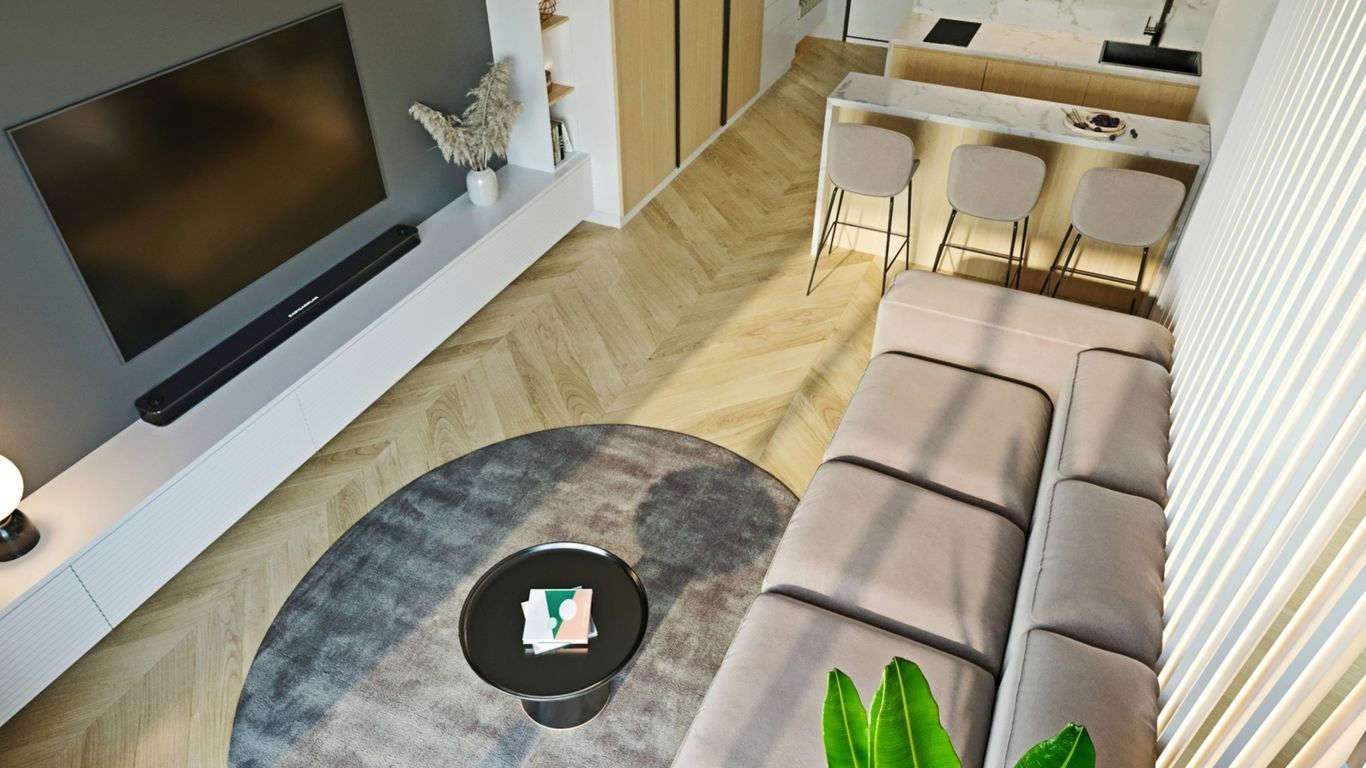
When you’re picking out new flooring, how it looks is a big deal, right? You want something that fits your style and makes the space feel just right. Both polished concrete and epoxy flooring have their own unique looks, but they get there in different ways. It’s not just about the shine; it’s about the whole vibe they bring.
The Natural Sheen of Polished Concrete
Polished concrete has this really cool, understated look. It starts with raw concrete, which is then ground down and polished in stages. The more you polish it, the shinier it gets. You can go for a subtle, matte finish that feels very natural and earthy, or you can buff it up to a high gloss that really bounces light around. It’s a great choice if you’re going for a modern, minimalist, or industrial feel. Think art galleries or trendy cafes – that kind of clean, sophisticated look. It really lets the natural character of the concrete shine through, which is part of its charm.
The Versatile Shine of Epoxy Flooring
Epoxy flooring, on the other hand, is all about customization and a more deliberate shine. When you apply epoxy, you’re essentially creating a new surface on top of your concrete. This surface can be finished to have a high gloss that’s really bright and reflective. It’s like giving your floor a whole new personality. You can achieve a look that mimics polished concrete, or you can go for something completely different. It’s a bit like painting a canvas, but on your floor.
Color and Design Flexibility
This is where epoxy really starts to stand out. While polished concrete offers a natural color palette derived from the concrete itself, epoxy flooring opens up a world of possibilities. You’re not limited to the grey tones of concrete. You can choose from virtually any color imaginable. Want a bright red floor in your workshop? Or a calming blue in your living room? Epoxy can do that. Beyond solid colors, you can also get creative with:
- Metallic pigments: These add a luxurious, almost liquid-like shimmer that can make your floor look like a piece of art.
- Decorative flakes: Tiny chips of color are broadcast into the wet epoxy, creating a textured, multi-dimensional look that’s very popular.
- Custom graphics and logos: Businesses often use epoxy to embed their logos directly into the floor, and homeowners can get creative with patterns or even embed personal items like photos or coins.
Polished concrete can be stained to add color, but the range and depth of customization with epoxy are generally much greater. If you want a floor that’s truly unique and a statement piece, epoxy offers more ways to achieve that.
When considering aesthetics, think about the overall mood you want to create. Polished concrete leans towards natural elegance and subtle sophistication. Epoxy, however, is the chameleon of flooring, ready to adapt to bold statements, vibrant themes, or sleek, modern finishes with a dazzling shine.
Installation Insights: Timing and Techniques
When you’re thinking about new flooring, especially something like epoxy or polished concrete, how it gets put in is a pretty big deal. It’s not just about how it looks when it’s done, but how long it takes and what kind of work is involved. Both polished concrete and epoxy need pros to do them right, but they’re different beasts when it comes to timing and the actual process.
Cure Times Compared: Polished Concrete vs. Epoxy
This is where things get interesting. Epoxy flooring often goes in faster day-to-day, but then it needs a good chunk of time to fully harden, or cure. Polished concrete, on the other hand, might take a bit longer to get to its final look, but it’s usually ready to walk on sooner. For polished concrete, you’re often looking at a full 28 days for it to really cure. With a solid, 100% solids epoxy, it might be closer to seven days. Keep in mind, where you live matters too – temperature and humidity can really mess with these times, so your local weather is a factor in planning.
Professional Installation Requirements
Like we said, you’ll want a professional for either of these. For polished concrete, they’ve got some serious equipment – grinders, special polishing machines, and diamond bits – to get that smooth, shiny finish. It’s a whole process. Epoxy installation is different; it’s more about knowing the materials inside and out, having the right techniques, and being careful with safety. Getting it done by someone who knows their stuff means your floor will be tough and look good for a long time. If you’re looking into metallic epoxy, the artistic application is a skill in itself, requiring a good eye for detail metallic epoxy flooring.
Planning Your Flooring Project Timeline
So, how do you actually plan this out? It really depends on a few things:
- Your space: How big is the area you need to cover?
- The type of material: Are you going with a standard epoxy or something more complex? What kind of epoxy is being used?
- How it’s applied: Some methods take more time than others.
- Your schedule: When can you afford to have the area out of commission?
You’ve got to think about the whole picture. It’s not just about the days it takes to install, but also the days you can’t use the space while it cures. Factor in prep work, the actual application, and then that all-important curing time. A little bit of planning upfront can save you a lot of headaches later on.
Choosing the right flooring involves practical questions. For instance, when considering durability versus budget, it’s smart to look at the total cost over the floor’s life, not just the initial price tag. A cheaper floor now might end up costing more down the line with repairs or needing replacement sooner than you’d like. This is a key part of planning your flooring project timeline.
Maintenance Matters: Upkeep for Longevity
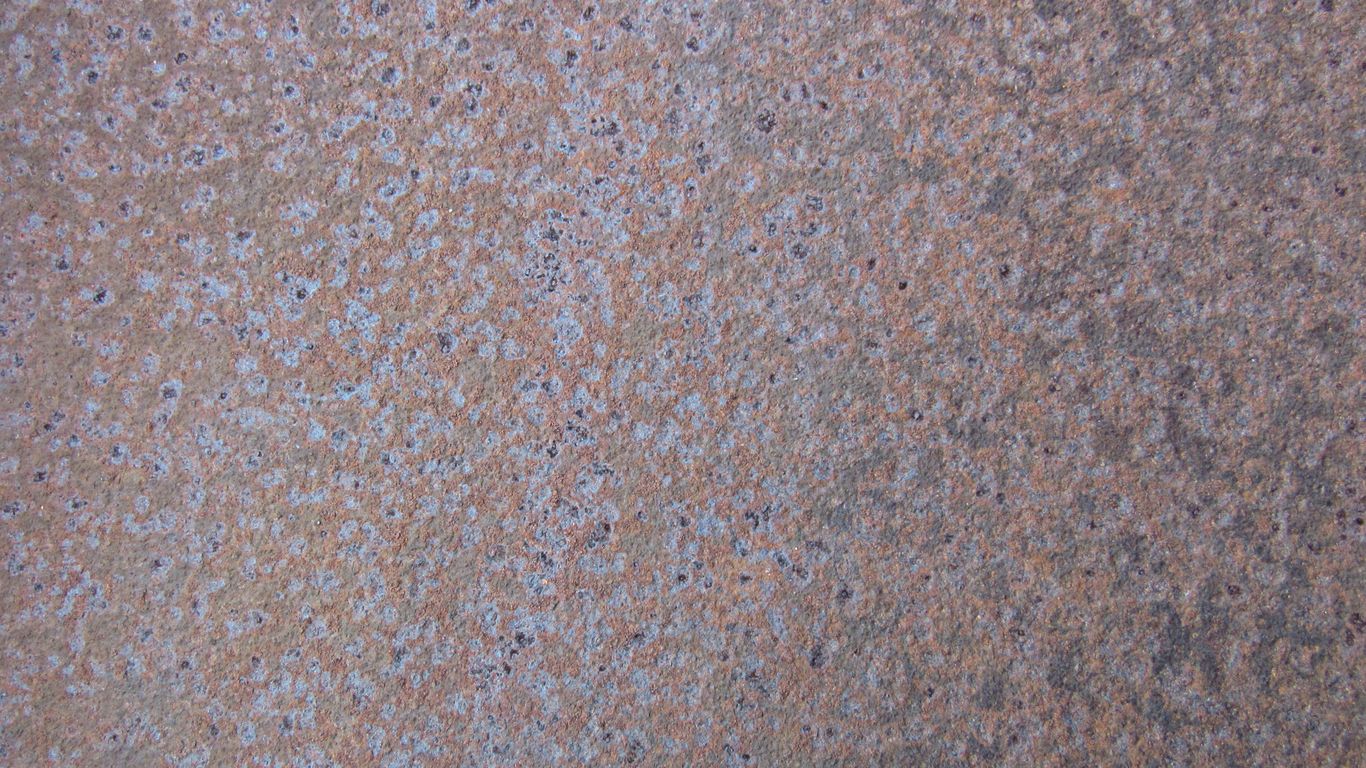
Keeping your floors looking good and working well for a long time really comes down to how you take care of them. Both epoxy and polished concrete have their own routines, and knowing them helps you pick the right one for your place.
Routine Cleaning Protocols for Both Surfaces
Honestly, cleaning both polished concrete and epoxy floors isn’t too complicated. For polished concrete, you’ll want to dust mop or vacuum regularly to get rid of grit that can scratch the surface. Then, a damp mop with a mild cleaner usually does the trick. Epoxy floors benefit from a weekly scrub and regular mopping. A deeper clean every few months is a good idea too. The key for both is to avoid harsh chemicals or anything too abrasive, as these can dull the finish or even damage the surface over time.
Repair and Recoating Needs Over Time
Over the years, things happen. Epoxy floors, being a coating, might show scratches or start to peel in high-traffic spots. Depending on how much use it gets, you might need to think about recoating an epoxy floor every 3 to 5 years to keep it looking fresh and protected. Polished concrete, on the other hand, is the actual concrete itself being treated. It’s generally tougher and might need less frequent attention. While it can still get stained or scratched, it doesn’t typically peel like a coating. This means polished concrete might have a longer stretch between needing major touch-ups.
Preserving Appearance and Functionality
Little things can make a big difference in how long your floor lasts and how good it looks. For either surface, putting felt pads under furniture legs is a smart move to stop scratches. Try not to drag heavy stuff across the floor – lift it instead. If you have a busy entryway, a good quality entrance mat can trap a lot of dirt and moisture before it even gets onto your main floor, saving you a ton of cleaning and wear. For epoxy, cleaning up spills right away is important, even though it’s pretty resistant. Letting liquids sit can sometimes cause discoloration. For polished concrete, especially in areas that get wet, be mindful that it can become slippery. Using the right cleaning products and maybe a good sealer can help maintain both the look and the safety of your chosen flooring.
Think about the total cost of owning your floor, not just what you pay upfront. A cheaper floor that needs replacing or constant repairs sooner might end up costing you more in the long run than a slightly more expensive option that lasts much longer with minimal upkeep.
Real-World Applications: Where Each Flooring Excels
Commercial and Residential Uses
When you’re trying to figure out the best flooring for your place, it really comes down to what you’re going to be doing in that space. For homes, especially ones with kids or pets running around, you need something that can handle a bit of chaos. Think about spills, muddy paws, and toys getting dragged across the floor. Luxury vinyl plank (LVP) is a solid choice here. It looks like real wood or stone but is way tougher and easier to clean. It’s also great for basements or bathrooms because it doesn’t mind moisture.
In commercial settings, the stakes are often higher. A busy retail store, a doctor’s office, or a restaurant kitchen needs flooring that can take a beating day in and day out. For places like retail shops or healthcare facilities, LVP is a strong contender again. It holds up well to constant foot traffic and is simple to maintain, which saves on cleaning costs. For areas that get really wet or need to be super hygienic, like commercial kitchens or bathrooms, you might look at options like porcelain tile or even specialized vinyl that’s designed for those conditions.
Industrial Strength: Epoxy in Action
Epoxy flooring really shines when you need serious toughness. Garages are a classic example. You’re parking cars on it, maybe working on them, and dealing with oil drips or other fluids. Epoxy creates a seamless, hard surface that resists all of that. It’s also a go-to for workshops, basements, and anywhere you might be doing messy projects. Because it’s non-porous, spills just sit on top and can be wiped away easily, which is a big plus for maintenance.
Warehouses and manufacturing plants are another area where epoxy is king. These places deal with heavy machinery, constant forklift traffic, and potentially harsh chemicals. Epoxy coatings are designed to handle extreme loads and impacts without cracking or peeling. They create a uniform surface that’s easy to keep clean, which is important for safety and efficiency in these demanding environments. The key benefit of epoxy in industrial settings is its ability to create a protective, durable shield against heavy use and chemical exposure.
High-Traffic Areas: Choosing Wisely
Figuring out what works best for areas with tons of foot traffic is all about durability and how easy it is to keep clean. For places like office hallways, school corridors, or busy lobbies, you need something that won’t show wear and tear too quickly. Porcelain tile is a fantastic option here. It’s incredibly hard and resistant to scratches and scuffs, meaning it can handle thousands of footsteps every day without looking worn out. It’s also pretty low maintenance, usually just needing a sweep and a mop.
Luxury vinyl plank (LVP) is another strong contender for these busy zones. Its wear layer is designed to take a lot of abuse, and it offers a good balance of looks and resilience. It’s often more comfortable underfoot than tile and can be a bit quieter too. When choosing LVP for high-traffic commercial spaces, always check the thickness of the wear layer – a thicker layer means better protection.
Here’s a quick look at how some common flooring types stack up for busy areas:
| Flooring Type | Durability Rating | Best For |
|---|---|---|
| Porcelain Tile | Excellent | Commercial entries, kitchens, bathrooms |
| Luxury Vinyl (LVP/LVT) | Very Good | Retail, healthcare, basements, homes |
| Epoxy Concrete | Excellent | Garages, warehouses, industrial spaces |
When you’re picking a floor for a spot that gets a lot of action, think about the daily grind it’ll face. It’s not just about looking good; it’s about standing up to constant use, spills, and cleaning without falling apart. The right choice saves you headaches and money down the road.
Cost Comparison: Initial Investment vs. Long-Term Value
When you’re looking at new flooring, the price tag is always a big part of the conversation, right? It’s not just about what you pay upfront, though. You’ve got to think about how much it’s going to cost you over the years, too. That’s where comparing epoxy and polished concrete gets interesting.
Price Per Square Foot Analysis
Right off the bat, epoxy flooring often seems like the more budget-friendly choice. It’s generally less expensive to install per square foot compared to polished concrete. This can be a really attractive feature if you’re trying to keep initial costs down, especially for larger areas. Polished concrete, on the other hand, usually has a higher starting price. This is because it involves more labor-intensive grinding and polishing steps to get that smooth, finished look directly from your existing concrete slab.
Value Over Time: Lifespan and Maintenance Costs
This is where the picture starts to shift. While epoxy might be cheaper to put in, polished concrete can often last much, much longer. We’re talking potentially a lifetime of the building with good care. Epoxy, while tough, has a shorter lifespan and might need recoating or repairs sooner. Think about it: if you have to replace or repair epoxy every 10-15 years, but your polished concrete lasts 30+ years with just occasional sealing, the long-term cost of polished concrete can actually be lower. Plus, the maintenance for polished concrete is usually simpler – just regular cleaning and maybe a reseal every few years. Epoxy might need more specialized cleaners and could be more prone to chipping or scratching over time, leading to repair costs.
Factors Influencing Overall Expense
Several things can nudge the prices up or down for both options. For epoxy, the complexity of the design you want, the type of epoxy used (some are tougher than others), and whether you need special additives for things like slip resistance all play a role. For polished concrete, the condition of your existing slab is a big one. If it’s in rough shape, it’ll take more work (and cost) to get it smooth and ready. The level of shine you’re aiming for also affects the number of grinding steps needed. And don’t forget about prep work – both floors need a clean, properly prepared surface, and that can add to the bill.
The real cost of a floor isn’t just what you pay the installer. It’s the sum of the initial price, how long it lasts, and what you spend keeping it looking good and working right. A floor that seems cheap at first can end up costing way more if it wears out fast or needs constant fixing.
Here’s a quick look at how they generally stack up:
| Feature | Epoxy Flooring (Typical) | Polished Concrete (Typical) |
|---|---|---|
| Initial Cost/Sq Ft | Lower | Higher |
| Lifespan | 10-15 years (may need recoating) | 20-30+ years (with proper care) |
| Routine Maintenance | Moderate | Low |
| Repair Needs | Potentially more frequent | Less frequent |
| Long-Term Value | Moderate | High |
When thinking about epoxy floors, it’s smart to look at both what you pay upfront and how much value you get over time. Our tough, good-looking floors are an investment that pays off. They last a long time and keep their shine, saving you money and hassle down the road. Ready to see how our epoxy floors can benefit you? Visit our website today to learn more and get a free quote!
So, Which Floor Wins?
Alright, so we’ve talked a lot about polished concrete and epoxy floors. They’re both pretty solid choices, honestly, and can make your space look way better than plain old concrete. Polished concrete gives you that cool, natural vibe and is super tough, lasting ages with not much fuss. Epoxy, though, it’s like the chameleon – you can get it in tons of colors and designs, and it’s great for places that get messy or need to resist chemicals. Think garages, workshops, or even just a really stylish kitchen. Ultimately, the best floor for you really comes down to what you need. Are you going for a sleek, minimalist look that’s built to last? Polished concrete might be your guy. Or do you want something more customizable, maybe with a bit of flair, that can handle some serious action? Epoxy could be the ticket. Take a look at what you’ll be doing in the space, how much you want to spend upfront and down the road, and what look you’re going for. That’s how you’ll figure out which one is the real winner for your home or business.
Frequently Asked Questions
Is polished concrete better than epoxy?
Polished concrete floors are usually cheaper, easier to clean, and last longer. However, epoxy is tougher and more flexible, handling heavy traffic and resisting scratches better. The best choice depends on what your space needs.
What are the downsides of polished concrete?
Polished concrete can be slippery when wet and may stain from spills. It can also create glare from its shine and needs regular cleaning to stay looking good.
How long do polished concrete floors typically last?
With the right installation and care, polished concrete floors can last for 20 years or even more. They are known for their long life.
What’s the main difference in toughness between polished concrete and epoxy?
Polished concrete is generally tougher because its strength comes from the concrete itself. Epoxy is a coating that protects the concrete underneath, so its durability depends on the coating’s quality and how well it’s applied.
How long does it take to install and for polished concrete and epoxy floors to be ready to use?
Polished concrete takes longer to install but cures faster, usually ready in about 28 days. Epoxy installs quicker but needs up to seven days to fully harden before you can walk on it.
Which flooring option is more budget-friendly initially?
Epoxy flooring is often less expensive per square foot when you first install it compared to polished concrete. However, the long-term value can differ based on maintenance and lifespan.
0 Comments