


Epoxy flooring is becoming a top choice for homeowners who want durable, stylish, and easy-to-maintain floors. Whether you’re redoing your kitchen, garage, or basement, this flooring option has something for everyone. In this guide, we’ll break down everything you need to know about epoxy flooring for residential spaces, from its benefits to installation tips.
Key Takeaways
- Epoxy flooring is a mix of resin and hardener that creates a strong, protective surface for your floors.
- It’s perfect for high-traffic areas like garages, kitchens, and basements due to its durability.
- This type of flooring offers a variety of design options, including colors, textures, and finishes.
- Installing epoxy floors involves surface prep, applying the epoxy, and letting it cure properly.
- Routine cleaning and proper care can extend the lifespan of your epoxy floors significantly.
Understanding the Basics of Residential Epoxy Flooring
What Is Epoxy Flooring?
Epoxy flooring is a type of surface coating made by combining resin and hardeners. When mixed, these components form a rigid, plastic-like material that bonds seamlessly to concrete. This unique combination makes it extremely durable and resistant to wear and tear. Epoxy floors are not just for industrial spaces anymore; they’re becoming a favorite for homes due to their sleek appearance and practical benefits.
Key Components of Epoxy Flooring
Epoxy flooring is built from three main ingredients:
- Epoxy Resin: The core material that gives the flooring its strength.
- Hardeners: These cure the resin into a solid, creating a tough and resilient surface.
- Additives: Optional pigments, flakes, or textures that enhance both the look and functionality of the floor.
These components work together to create a surface that’s not only strong but also customizable to fit your home’s style.
Why Choose Epoxy for Residential Spaces
Epoxy flooring offers several benefits that make it a smart choice for homeowners:
- Durability: It can handle heavy foot traffic, furniture, and even the occasional dropped object without cracking or chipping.
- Low Maintenance: Its smooth, seamless surface is easy to clean—just sweep or mop, and you’re good to go.
- Aesthetic Appeal: With options ranging from metallic finishes to decorative flakes, epoxy can match any home decor.
For families looking for a blend of style and practicality, epoxy flooring is an investment that pays off in both form and function.
Benefits of Epoxy Flooring for Your Home
Durability and Longevity
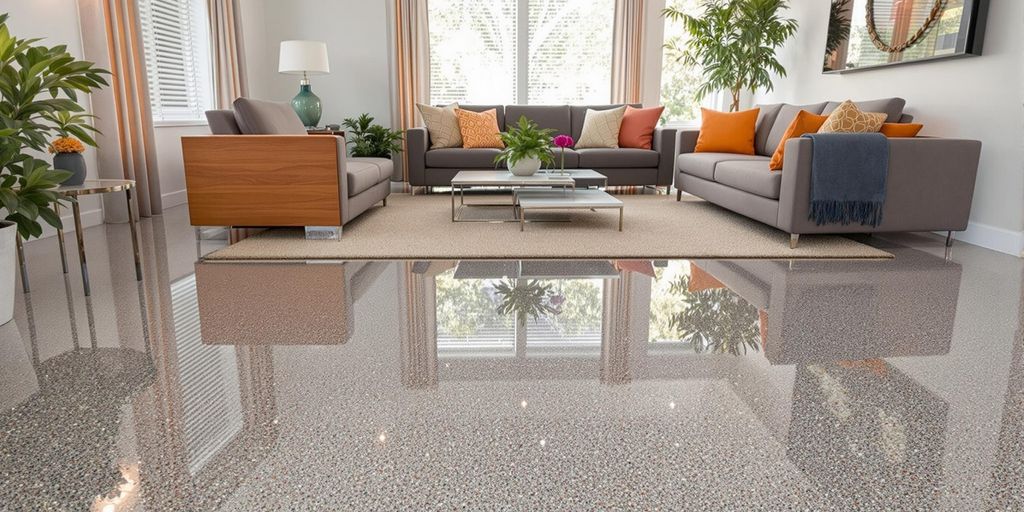
One of the standout features of epoxy flooring is its unmatched durability. It’s tough enough to handle heavy furniture, frequent foot traffic, and even the occasional dropped object without cracking or chipping. Unlike traditional flooring options, epoxy doesn’t wear down easily, making it a smart choice for areas like garages, kitchens, and basements. Plus, it resists moisture and stains, so you won’t have to worry about spills leaving permanent marks. Over time, this durability translates into cost savings, as you’ll avoid frequent repairs or replacements.
Aesthetic Versatility
Epoxy flooring isn’t just practical—it’s also incredibly stylish. With a wide range of customizable options, you can choose from sleek metallic finishes, colorful flakes, or even a marble-like appearance. Whether you want a modern, industrial vibe or a warm, inviting look, epoxy can be tailored to match your home’s aesthetic. The glossy finish also reflects light, making rooms feel brighter and more spacious. If you’re looking to make a design statement, epoxy flooring offers endless possibilities.
Low Maintenance and Easy Cleaning
Let’s face it—no one enjoys spending hours cleaning floors. With epoxy, maintenance is a breeze. Its smooth, non-porous surface makes it resistant to dirt, dust, and grime, so a quick sweep or mop is usually all it takes to keep it looking pristine. For homes with kids or pets, this is a game-changer. Additionally, its resistance to water and chemicals means you can clean up spills without any hassle. You’ll spend less time scrubbing and more time enjoying your space.
Popular Applications of Residential Epoxy Flooring
Transforming Kitchens and Living Areas
Epoxy flooring can completely change how your kitchen or living room looks and feels. Its seamless finish adds a modern, polished vibe that works with almost any decor. Plus, it’s super practical—resistant to spills, stains, and scratches. Imagine whipping up dinner or hosting friends without worrying about wine stains or scuffs. For families, this is a lifesaver.
Enhancing Garage Spaces
Let’s face it, garages often get overlooked. But with epoxy flooring, you can turn your garage into a clean, stylish, and functional space. The coating is tough enough to handle heavy vehicles, tools, and even oil spills. Bonus: It’s easy to clean, so no more scrubbing oil stains for hours. Whether you use your garage for storage, as a workshop, or even a hangout spot, epoxy makes it all better.
Revamping Basements with Epoxy
Basements are often underutilized, but epoxy flooring can change that. You can create a home gym, workshop, or even a cozy family room. The surface is moisture-resistant, meaning no more worrying about dampness or mold. Plus, you can choose from a variety of finishes—like a sleek metallic look or a natural stone vibe—to make the space truly yours.
Epoxy flooring doesn’t just protect your floors; it transforms your space into something more practical and visually appealing.
Design Options for Residential Epoxy Flooring
Exploring Color and Texture Choices
Epoxy flooring offers an impressive range of colors and textures to suit any home aesthetic. Whether you’re after a sleek, modern look or something more traditional, the options are practically endless. From solid, bold colors to subtle, neutral tones, you can tailor the floor to match your decor. Textures like matte, satin, or high-gloss finishes add another layer of customization. For those seeking a truly unique touch, epoxy can even mimic materials like marble or granite.
Metallic and Flake Systems
For homeowners looking for something extra special, metallic and flake epoxy systems are standout choices. Metallic epoxy creates a glossy, marbled effect that adds depth and elegance to any room, making it a popular pick for living areas or even kitchens. On the other hand, flake systems incorporate decorative chips into the epoxy, offering a textured surface that’s both visually appealing and slip-resistant. This is particularly useful for spaces like garages or basements where safety is a priority.
Customizing for Unique Home Styles
Residential epoxy flooring isn’t just about durability—it’s about making a statement. You can incorporate custom designs like logos, patterns, or even 3D effects to create a one-of-a-kind floor. Want to add a personal touch to your home office or game room? Epoxy can do that. Plus, its versatility means it complements everything from industrial-style lofts to cozy, farmhouse interiors.
Epoxy flooring isn’t just a surface—it’s a canvas for creativity. With so many design options, it’s easy to create a floor that’s as functional as it is beautiful.
For more inspiration and to explore the possibilities, check out our residential epoxy flooring options.
Step-by-Step Guide to Installing Epoxy Flooring
Preparing the Surface for Installation
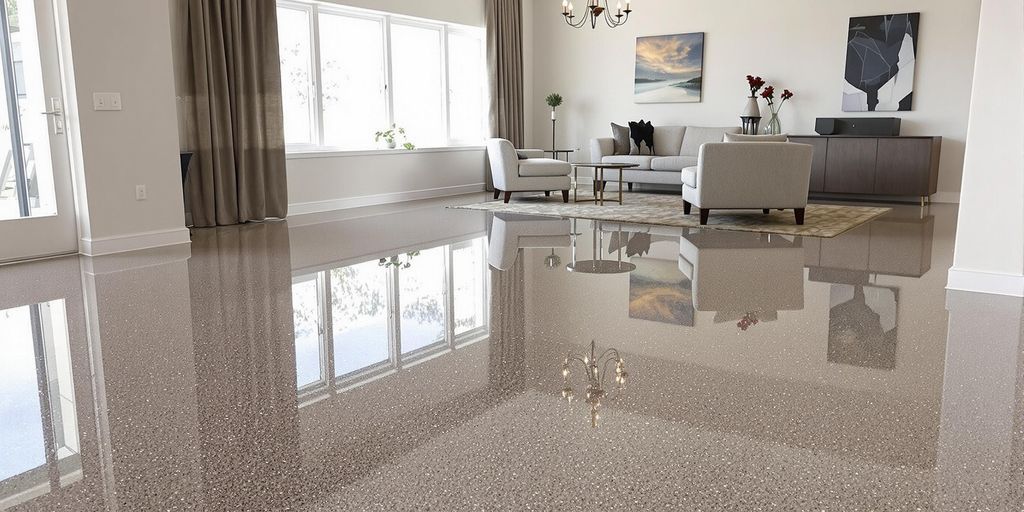
Before you even think about applying epoxy, the surface needs to be spotless. This step is non-negotiable because any dirt, grease, or cracks can ruin the finish. Start by sweeping and scrubbing the floor thoroughly. If there are cracks, fill them in with a concrete patch and let it dry. For stubborn stains, you might need a degreaser. Humidity and temperature also matter—check the epoxy product’s guidelines to make sure your space meets the requirements.
Steps for preparation:
- Clean the floor thoroughly using a broom and mop.
- Repair cracks or holes with a concrete patch.
- Use a grinder or etching solution for better adhesion.
Applying the Epoxy Coating
Once the surface is ready, it’s time to mix the epoxy. Follow the instructions on your product carefully because the mixture starts to harden quickly. Pour the epoxy onto the floor in sections and spread it evenly with a roller or squeegee. Work fast but carefully to avoid bubbles or uneven layers. You can add decorative flakes or pigments at this stage if you want a custom look.
What you’ll need:
- Epoxy resin and hardener
- Paint roller or squeegee
- Optional: Decorative flakes or metallic pigments
Curing and Finishing Touches
After applying the epoxy, give it time to cure. Most products need at least 24 hours, but some might take up to 72 hours for a full cure. Avoid walking on the floor during this period. Once cured, you can apply a topcoat for extra durability and a polished finish. This step is especially useful for high-traffic areas.
Proper curing is the secret to achieving a long-lasting, seamless epoxy surface.
For a detailed breakdown of the installation process, including cleaning techniques and mixing tips, check out this guide.
Maintaining Your Residential Epoxy Floors
Routine Cleaning Tips
Keeping your epoxy floors clean doesn’t have to be a chore. Sweeping or dust mopping daily with a soft-bristle broom can help prevent scratches from dirt or debris. For a deeper clean, use a mop with warm water and a neutral pH cleaner once a week. Avoid harsh chemicals or abrasive tools—they can dull the shine or even damage the surface.
Handling Stains and Spills
Epoxy floors are pretty resistant to stains, but don’t let that fool you into ignoring spills. Wipe up liquids immediately with a soft, damp cloth to avoid any potential discoloration. If you’re dealing with something sticky or stubborn, a mild detergent mixed with water usually does the trick. Remember, gentleness is key—scrubbing too hard can leave marks.
Extending the Lifespan of Your Floors
Want your epoxy floors to last for years? Here’s how:
- Place protective pads under heavy furniture to prevent dents.
- Use rugs or mats in high-traffic areas to reduce wear and tear.
- Inspect the surface regularly for chips or cracks and address them quickly to stop further damage.
Taking small steps to maintain your epoxy floors can save you from costly repairs down the road. A little care goes a long way in keeping them looking brand new.
For more tips on maintaining your epoxy flooring, check out routine cleaning by sweeping daily.
Choosing the Right Epoxy Flooring for Your Home
Factors to Consider Before Installation
When picking epoxy flooring, think about how the space will be used. For example, a garage might need a coating that resists oil and chemicals, while a living room might prioritize looks. Knowing the purpose of the space helps narrow your options. Also, consider the type of epoxy. Options like 100% solid epoxy offer top-notch durability, while water-based ones are more budget-friendly but less robust.
Here’s a quick breakdown:
| Type of Epoxy | Durability | Cost | Best For |
|---|---|---|---|
| 100% Solid Epoxy | High | Higher | Heavy-duty areas |
| Water-Based Epoxy | Moderate | Affordable | Light-use spaces |
| Solvent-Based Epoxy | High | Moderate | High-traffic zones |
Comparing DIY vs Professional Installation
DIY installation kits are available, but let’s be honest—they can be tricky. If you don’t prep the surface perfectly or apply the epoxy evenly, the results might not last. Professionals, on the other hand, bring experience and tools to the table. They’ll ensure your floor looks great and holds up over time. If you’re unsure, weigh the cost of hiring pros against the potential headache of fixing mistakes later.
Budgeting for Your Epoxy Flooring Project
Epoxy flooring is cost-effective, but prices vary depending on the type of epoxy and the size of the project. Setting a budget upfront is key. Don’t forget to include prep work, which might involve cleaning, repairs, or even leveling the floor. For a simple garage, you might spend less, but for a decorative finish in your living room, costs can climb.
A little planning goes a long way in finding the perfect epoxy floor that fits both your style and wallet.
For more on why epoxy is such a great choice, check out this durable and stylish flooring option.
When it comes to picking the best epoxy flooring for your home, it’s important to think about your needs and style. Epoxy floors are strong and can handle a lot of wear, making them great for busy areas. They also come in many colors and styles, so you can find the perfect match for your space. If you want to learn more about how epoxy flooring can change your home, visit our website today!
Wrapping It Up
So, there you have it—epoxy flooring is more than just a pretty surface. It’s tough, easy to maintain, and can completely change the vibe of your home. Whether you’re sprucing up your garage, basement, or living room, it’s an upgrade that’s worth considering. Plus, with so many colors and finishes to choose from, you can really make it your own. If you’re ready to take the plunge, just make sure to plan it out and maybe even call in the pros for a flawless finish. Your floors—and your feet—will thank you!
Frequently Asked Questions
What is epoxy flooring?
Epoxy flooring is a strong and durable floor coating made by mixing resin and hardeners. It creates a hard, plastic-like surface that sticks well to concrete floors, making it popular for homes and businesses.
Why is epoxy flooring a good choice for homes?
Epoxy flooring is great for homes because it’s tough, easy to clean, and looks amazing. It resists stains, scratches, and water, making it perfect for areas like kitchens, garages, and basements.
How long does epoxy flooring last?
When installed correctly, epoxy flooring can last 10 to 20 years or more. Its lifespan depends on how well it’s maintained and the amount of foot or vehicle traffic it handles.
Can I install epoxy flooring myself?
While DIY installation is possible, professional installation is often recommended. Experts ensure the surface is prepared properly and apply the coating evenly for the best results.
How do I clean and maintain epoxy floors?
Epoxy floors are easy to clean. Sweep or vacuum regularly to remove dirt, and mop occasionally with a mix of water and mild soap. Avoid using harsh chemicals or abrasive tools.
What design options are available for epoxy flooring?
Epoxy flooring comes in many colors, patterns, and finishes. You can choose from shiny metallic looks, textured flake designs, or even customize it to match your home’s style.
0 Comments