


Thinking about giving your home a fresh new look? Epoxy flooring might just be the answer, especially if you’ve got wood surfaces to cover. It’s a game-changer when it comes to durability and style. Plus, it’s not just for garages anymore. Whether you’re sprucing up the kitchen or the basement, epoxy can do wonders. This guide will walk you through everything you need to know about epoxy flooring for wood, from benefits to installation tips. Let’s dive into the world of epoxy and see how it can transform your space.
Key Takeaways
- Epoxy flooring is great for increasing the lifespan of wood floors.
- It provides a water-resistant layer, perfect for areas prone to moisture.
- Installing epoxy isn’t too complex but requires careful preparation.
- Customization options with epoxy are almost endless, from colors to textures.
- Regular maintenance is simple, making it a practical choice for busy households.
Understanding Epoxy Flooring for Wood
What is Epoxy Flooring?
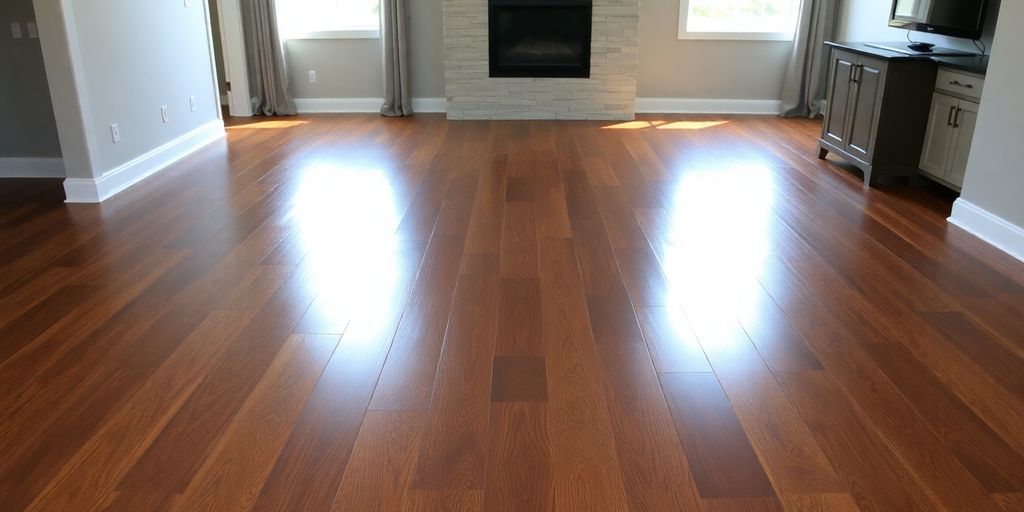
Epoxy flooring is a type of surface that combines resin and hardeners to create a tough, plastic-like coating. It’s applied over existing floors to create a smooth and durable finish. Originally popular in industrial settings, epoxy flooring is now making its way into residential spaces, offering a sleek and modern look.
Benefits of Epoxy on Wood
Epoxy coatings on wood bring several advantages. Firstly, they provide a protective layer that enhances the wood’s durability, making it resistant to wear and tear. This is especially useful in areas with high foot traffic. Secondly, epoxy is water-resistant, which helps in protecting the wood from moisture damage. Lastly, epoxy floors have an appealing aesthetic quality, giving wood surfaces a glossy, seamless finish that can elevate any room’s appearance.
Common Applications of Epoxy Flooring
Epoxy flooring can be used in various settings. It’s commonly found in garages, basements, and workshops due to its durability and ease of cleaning. In homes, epoxy is often applied in kitchens and bathrooms, where its water-resistant properties are particularly beneficial. Additionally, epoxy flooring is used in commercial spaces like restaurants and retail stores, where a combination of durability and visual appeal is essential.
Transforming your wood surfaces with epoxy not only boosts their longevity but also gives them a stylish edge. Whether in a busy kitchen or a laid-back living room, epoxy flooring can be a game-changer for your home.
Advantages of Using Epoxy Flooring on Wood Surfaces
Enhanced Durability and Longevity
When you coat wood floors with epoxy, you’re essentially giving them a protective shield. This layer makes the wood much more durable, which is great for spots that see a lot of foot traffic or are prone to wear. Epoxy helps in prolonging the life of your wood floors by preventing scratches, dents, and other forms of damage. It’s like giving your floors a suit of armor.
Water and Moisture Resistance
One of the biggest perks of epoxy flooring is its ability to keep water and moisture at bay. Wood can be pretty vulnerable to water, but an epoxy coating acts like a waterproof blanket. This makes it perfect for areas like kitchens, bathrooms, or basements where spills and moisture are common. With epoxy, you don’t have to worry about water seeping in and messing up your wooden floors.
Aesthetic and Seamless Finish
Epoxy flooring can give your wooden floors a sleek, modern look that’s hard to beat. The finish is seamless and can be either glossy or matte, depending on your preference. This not only enhances the beauty of the wood but also highlights its natural grain, giving it a rich, deep appearance. Plus, it’s super easy to clean, which means less time spent on maintenance and more time enjoying the beauty of your floors. Epoxy enhances wood floors by providing a glossy or matte finish that highlights the depth and richness of the wood’s natural grain.
Step-by-Step Guide to Installing Epoxy Flooring on Wood
Surface Preparation Essentials
Before diving into the application process, it’s essential to focus on preparing your wood surface. Proper surface preparation is the foundation for a successful epoxy installation. Start by thoroughly cleaning the wood to remove any dust, dirt, or grease. Sand the surface evenly to ensure a smooth base, and repair any cracks or imperfections. This step is crucial because any debris or unevenness can affect the epoxy’s adhesion. Consider using a powdered etch concentrate to enhance the surface texture, which can be particularly helpful for DIY enthusiasts.
Applying the Epoxy Primer
Once the surface is prepped, it’s time to apply the epoxy primer. The primer acts as a bonding agent, helping the epoxy adhere better to the wood. Mix the primer according to the manufacturer’s instructions and apply it evenly with a roller or brush. Allow the primer to dry completely before moving on to the next step. This stage sets the groundwork for the epoxy layers that follow, ensuring they bond securely to the wood.
Curing and Finishing Touches
After applying the epoxy layers, patience becomes your best friend. The curing process can take anywhere from 24 to 72 hours, depending on environmental factors like temperature and humidity. During this time, avoid any foot traffic or placing objects on the floor. Once cured, you can add finishing touches, such as a topcoat for added protection or decorative elements for a personalized touch. This final step not only enhances the floor’s durability but also gives it an aesthetic appeal, making your space look polished and complete.
Taking the time to properly prepare and apply each layer of epoxy ensures a floor that not only looks great but also stands the test of time.
Design Possibilities with Epoxy Flooring for Wood
Customization Options and Trends
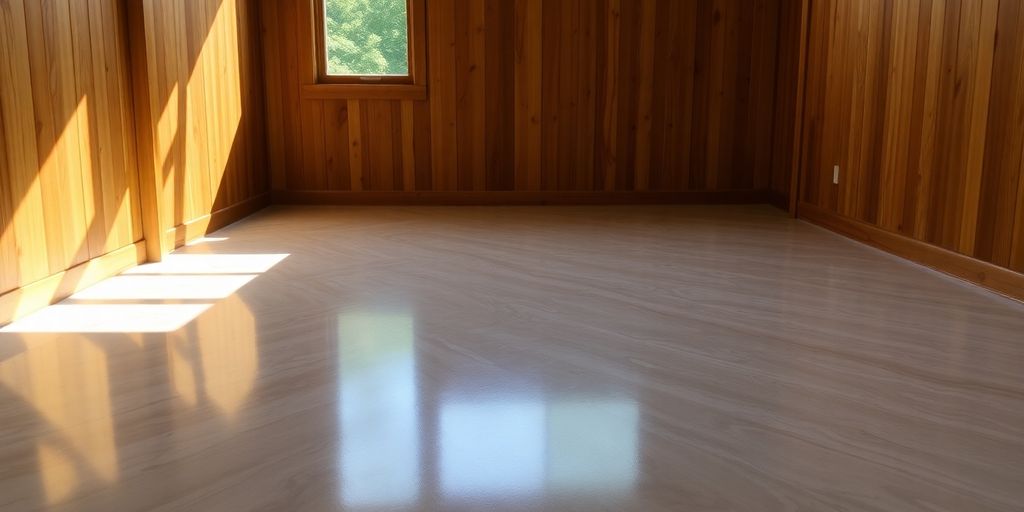
Epoxy flooring on wood opens up a world of creative possibilities. You can go for a sleek, modern look or something more rustic and traditional. One of the biggest draws is the ability to customize colors and patterns to fit your style. Imagine your floor featuring a unique design that nobody else has. From bold colors to subtle earth tones, the choice is yours. Some folks even incorporate metallic pigments for a shimmering effect that’s sure to impress.
Incorporating Colors and Textures
When it comes to epoxy, the sky’s the limit for colors and textures. You can blend different shades to create a marbled effect or stick with a solid color for a more classic appearance. Textures can also be added to enhance the look and feel of your floor. Whether you’re aiming for a smooth, polished surface or something with a bit more grip, epoxy can deliver. Consider adding decorative flakes or quartz for an extra touch of flair.
Creative Design Inspirations
If you’re looking to make a statement, epoxy flooring is the way to go. Think about incorporating artistic designs or geometric patterns into your floor. You can even mimic the look of natural stone or wood, offering a sophisticated touch without the upkeep. For those who want to push the boundaries, consider integrating LED lights or using glow-in-the-dark pigments for a floor that’s truly one-of-a-kind.
Epoxy flooring transforms ordinary wood surfaces into stunning canvases, allowing for endless creativity and personal expression. It’s not just a floor; it’s a work of art.
Maintenance Tips for Epoxy-Coated Wood Floors
Routine Cleaning Practices
Keeping your epoxy-coated wood floors looking fresh is pretty straightforward. Regular sweeping or vacuuming is key to removing dirt and debris that can scratch the surface. When it’s time for a deeper clean, use a mop with a mixture of water and mild detergent. Just remember to steer clear of harsh chemicals like bleach or anything acidic, as these can damage the coating. For more details on what to avoid, check out the cleaning guidelines.
Resealing and Repairs
Over time, your epoxy floor might show signs of wear or minor damage. Inspect it regularly for any cracks or chips. If you spot any, it’s best to address them quickly to prevent further issues. Resealing the floor every few years can also help maintain its protective layer and keep it looking new.
Avoiding Common Mistakes
To get the most out of your epoxy-coated wood floors, avoid common pitfalls. First, don’t drag heavy furniture across the surface; this can cause scratches or even gouges. Consider using furniture pads to minimize contact. Also, while epoxy is tough, it’s not invincible. Be cautious with sharp objects and avoid dropping heavy items that might chip the surface.
Keeping your epoxy-coated wood floor in top shape isn’t just about aesthetics—it’s about ensuring longevity and performance. A little care goes a long way in preserving that seamless, glossy finish.
Challenges and Considerations for Epoxy Flooring on Wood
Addressing Wood Movement
Wood is a natural material, meaning it can expand and contract with changes in temperature and humidity. This movement can lead to cracks or delamination in the epoxy coating. It’s important to ensure that the wood surface is stable and properly prepared before applying epoxy. Consider using moisture barriers or sealants to mitigate these effects.
Environmental Factors to Consider
Temperature and humidity can significantly affect the curing and performance of epoxy coatings. Ideally, epoxy should be applied in stable environmental conditions to ensure proper adhesion and curing. Fluctuations in these conditions can lead to incomplete curing or a weak bond between the epoxy and wood.
Professional vs. DIY Installation
While epoxy flooring can be a DIY project, achieving a flawless finish often requires professional expertise. Professionals are skilled in handling the complexities of epoxy application, ensuring the coating adheres correctly and cures without issues. If you choose to go the DIY route, be prepared for a learning curve and the need for specialized tools and materials.
Important Note: Epoxy flooring is a durable and attractive solution, but proper preparation and installation are key to its success. Whether you opt for professional installation or a DIY approach, understanding the challenges and considerations will help you achieve the best results.
Installing epoxy flooring on wood can be tricky. You need to think about how the wood will react to the epoxy and if it can handle the weight. It’s important to prepare the wood properly to avoid problems later. If you’re curious about how to make your floors look amazing, visit our website for more tips and expert help!
Wrapping It Up
So, there you have it! Epoxy flooring over wood is like giving your floors a superhero cape. It’s tough, looks great, and can handle whatever you throw at it. Whether you’re sprucing up your kitchen or giving your garage a facelift, epoxy’s got your back. Sure, it might take a bit of elbow grease to get it just right, but the payoff is a floor that’s both beautiful and built to last. Plus, with all the colors and styles out there, you can really make it your own. So why not give it a shot? Your floors will thank you.
Frequently Asked Questions
What is epoxy flooring for wood?
Epoxy flooring for wood involves applying a special resin on wooden surfaces to create a strong, protective layer. This not only makes the wood more durable but also gives it a sleek, shiny finish.
Why should I use epoxy on wood floors?
Using epoxy on wood floors makes them last longer and protects them from water and scratches. Plus, it gives your floors a seamless and modern look.
Can I install epoxy flooring on my own?
While you can try to install epoxy flooring yourself, it’s often better to hire a professional. This ensures the epoxy is applied correctly and looks great.
How long does epoxy flooring last on wood?
Epoxy flooring on wood can last several years, especially if you take good care of it. Regular cleaning and maintenance can help it stay in top shape.
Is epoxy flooring slippery?
Epoxy flooring can be slippery when wet. However, you can add anti-slip coatings to make it safer to walk on.
How do I maintain epoxy-coated wood floors?
To keep your epoxy-coated wood floors looking good, clean them regularly with a soft mop and avoid using harsh chemicals. Occasionally, you might need to reseal the surface to maintain its shine and protection.
0 Comments