

Hey there! So, you’re thinking about epoxy flooring for your next project, but you’re not sure about the costs? Don’t worry, you’re not alone. There’s quite a bit to consider when it comes to epoxy flooring costs, from materials to labor and everything in between. Let’s break it down and make it a bit easier to understand.
Key Takeaways
- Epoxy flooring costs can vary based on material and labor, so it’s good to get a few quotes.
- The condition of your current floor can affect the overall cost, especially if repairs are needed.
- Choosing between water-based and solvent-based epoxy can impact your budget.
- DIY might save you money, but hiring a pro ensures quality and might be worth the extra cost.
- Proper planning and measuring can prevent unnecessary expenses and material waste.
Factors Influencing Epoxy Flooring Costs
Understanding Material Costs
When you’re looking into epoxy flooring, one of the first things to consider is the cost of materials. Epoxy flooring is made from a combination of resins and hardeners, and the price can vary based on the type and quality. Solvent-based epoxies, for instance, are generally more expensive than water-based options due to their durability and resistance. Besides the main components, you’ll also need to budget for primers, sealants, and topcoats. Thorough research on different brands and price points is crucial to ensure you’re getting the best deal for your project.
Labor Costs and Considerations
Labor costs can significantly impact your overall budget. Depending on where you live and the complexity of the job, labor can range from $3 to $12 per square foot. This includes everything from cleaning and repairing the floor to applying the epoxy and any decorative elements. While DIY might seem like a cheaper option, don’t forget the time and skill it requires. Hiring a professional might be more expensive upfront, but it could save you headaches down the road.
Impact of Floor Condition on Costs
The condition of your existing floor plays a big role in the total cost of your epoxy project. If your floor is uneven or damaged, you’ll need to invest in preparation work, which can add to labor expenses. This might involve leveling, repairing cracks, or removing old coatings. Proper floor preparation ensures that the epoxy adheres well and lasts longer, making it a worthwhile investment.
Additional Costs for Decorative Elements
Adding decorative elements to your epoxy floor, like metallic pigments or color flakes, can enhance its appearance but will also increase costs. These extras require additional materials and labor, so be sure to factor them into your budget. If you’re aiming for a unique look, discuss your options with your contractor to understand how these elements will affect the final price.
Epoxy flooring costs can vary widely based on several factors, including materials, labor, and the condition of your existing floor. Being aware of these variables helps you make informed decisions and manage your budget effectively. For a detailed understanding of how these factors specifically affect the cost of an epoxy garage floor, consider exploring the cost of an epoxy garage floor.
Types of Epoxy Flooring and Their Cost Implications
Water-Based vs. Solvent-Based Epoxy
When you’re planning an epoxy flooring project, one of the first decisions you’ll face is choosing between water-based and solvent-based epoxy. Water-based epoxies are generally less expensive and easier to apply. They’re a good choice for DIY enthusiasts looking to cover a garage or basement floor. On the other hand, solvent-based epoxies offer a more durable finish, making them ideal for commercial spaces where heavy traffic or chemical spills are common. However, they come at a higher cost and often require professional installation due to their more complex application process.
Cost Differences in Residential vs. Commercial Applications
The costs associated with epoxy flooring can vary significantly depending on whether the application is residential or commercial. Residential applications often focus on aesthetics and budget-friendly options. In contrast, commercial projects prioritize durability and resistance to wear and tear, often opting for high-grade materials that can withstand heavy use. Typically, epoxy floors range from $3 to $12 per square foot, with commercial installations leaning towards the higher end of this spectrum due to the need for more robust materials and finishes.
Choosing the Right Epoxy for Your Budget
Selecting the right epoxy for your project involves balancing your budget with the specific needs of your space. It’s important to consider factors such as the level of foot traffic, exposure to chemicals, and desired aesthetic. For cost-conscious homeowners, a simple water-based epoxy might suffice for a basement or garage. However, for areas that experience significant wear or require specific design elements, investing in a higher quality, possibly solvent-based epoxy could be worthwhile.
Considering the long-term benefits, epoxy flooring can be a smart investment. Its durability and low maintenance needs often offset the initial costs, ensuring a cost-effective solution over time.
Preparing for Your Epoxy Flooring Project
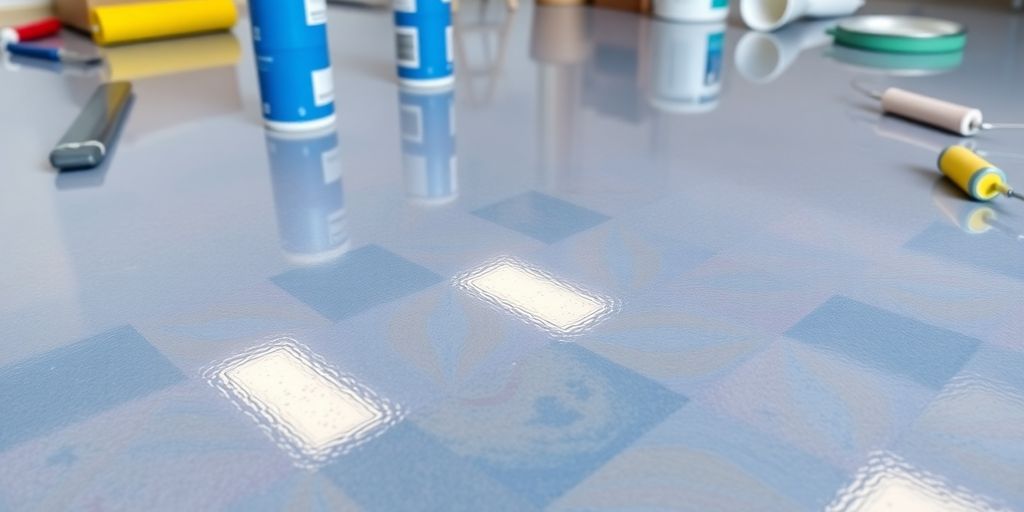
Getting ready for an epoxy flooring project involves several crucial steps to ensure a smooth installation process. Here’s how you can prepare effectively:
Measuring Your Space Accurately
Before you dive into purchasing materials, it’s essential to measure your space accurately. Precise measurements prevent you from ordering too much or too little epoxy, saving both time and money. Use a tape measure to get the dimensions of your floor, and don’t forget to account for any nooks or odd corners. This way, you’ll have a clear idea of how much epoxy resin you’ll need for your project.
Inspecting and Preparing the Concrete Surface
The condition of your concrete surface can significantly impact the success of your epoxy flooring. Start by inspecting the floor for cracks, chips, or moisture issues. These need to be addressed before applying any epoxy. You might need to fill in cracks or use a dehumidifier if moisture is present. A clean, dry, and stable surface ensures the epoxy adheres properly, leading to a more durable finish.
Taking the time to prepare your space thoroughly can make all the difference in the final outcome of your epoxy flooring project.
Tools and Equipment Needed
Having the right tools and equipment is key to a successful installation. Here’s a list of what you’ll typically need:
- Epoxy resin and hardener
- Primer (if necessary)
- Mixing bucket and drill with a mixing attachment
- Squeegee or roller for application
- Protective gear like gloves and goggles
These tools will help you apply the epoxy smoothly and safely, ensuring a professional finish. Make sure everything is ready and in good condition before you start your project.
How to Save on Epoxy Flooring Costs
DIY vs. Hiring a Professional
Deciding whether to tackle an epoxy flooring project yourself or hire a professional can significantly impact your budget. DIY projects can save money on labor costs, but they require time, patience, and some skill. If you’re handy and enjoy a bit of a challenge, this might be the way to go. However, keep in mind that mistakes can lead to additional expenses, so weigh your confidence and ability against potential risks. On the other hand, hiring a professional ensures a polished finish and can save you from costly errors, but it comes with higher upfront costs.
Finding the Best Suppliers
When it comes to sourcing materials, shopping around can make a huge difference. Look for suppliers that offer competitive pricing on epoxy materials. Don’t just settle for the first quote you get—compare prices from multiple vendors. Some suppliers might even offer discounts for bulk purchases or provide deals for returning customers. Building a relationship with a reliable supplier can also lead to future savings.
Tips for Reducing Material Waste
Reducing waste not only saves money but also helps the environment. Here are some tips to minimize material waste:
- Measure twice, pour once: Accurate measurements prevent over-purchasing and ensure you use just the right amount of epoxy.
- Mix in small batches: This prevents the epoxy from hardening before you can use it all, reducing waste.
- Recycle leftover materials: If you have excess epoxy, consider using it for smaller projects or repairs around your home.
Efficient planning and careful execution can lead to significant savings on your epoxy flooring project. By considering a DIY approach, finding the best suppliers, and minimizing waste, you can keep your project within budget without sacrificing quality.
Understanding the Installation Process and Its Costs
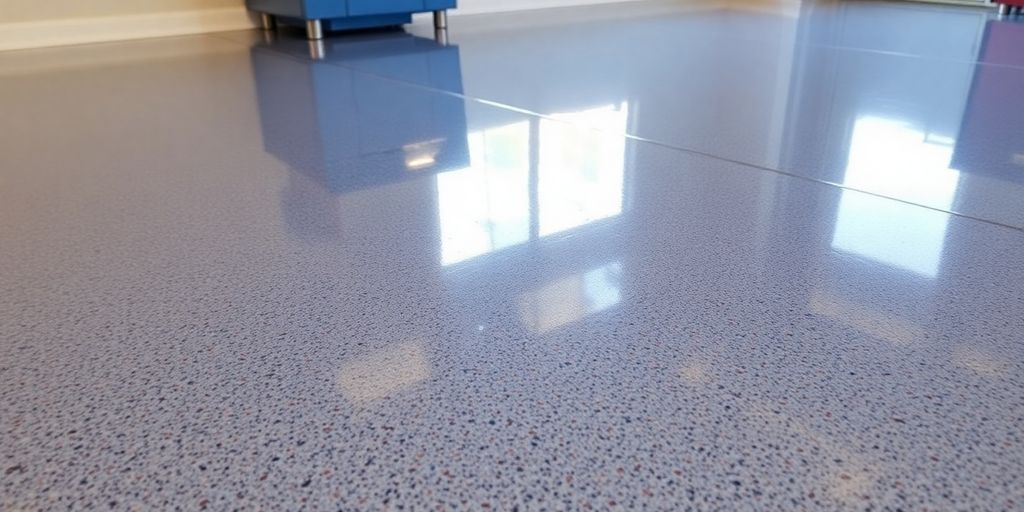
Step-by-Step Installation Guide
Installing epoxy flooring is a multi-step process that requires attention to detail. First, the existing floor must be thoroughly cleaned to remove any dirt, grease, or old coatings. This ensures that the epoxy adheres properly. Next, a primer is applied to the floor, which helps the epoxy bond better. After the primer dries, the epoxy mixture is prepared and applied in layers, allowing each layer to cure before applying the next. Filling any cracks or uneven spots with a filler is crucial to achieve a smooth finish. Finally, a topcoat is added for protection and durability.
Timeframe and Scheduling Considerations
The time it takes to install epoxy flooring can vary based on several factors, such as the size of the area and the number of layers applied. Generally, the process can take anywhere from a few days to over a week. It’s important to account for drying and curing times between each step, which can be influenced by temperature and humidity levels. Scheduling the installation during a period with optimal weather conditions can help ensure the best results.
Common Mistakes to Avoid
When installing epoxy flooring, certain pitfalls can lead to problems down the line. One common mistake is inadequate surface preparation, which can cause the epoxy to peel or bubble. Another is applying the epoxy too thickly, which can lead to uneven curing and a lumpy finish. It’s also vital to mix the epoxy components thoroughly to prevent any issues with the final product. Lastly, rushing the process without allowing proper curing time can compromise the floor’s durability.
Taking the time to properly plan and execute each step of the epoxy flooring installation can save you headaches and additional costs in the future.
When considering epoxy flooring installation costs, it’s essential to factor in both the materials and the labor involved. Costs can range from $2 to $12 per square foot, with an average project total of around $2,513. By understanding the installation process and avoiding common mistakes, you can ensure a successful and cost-effective epoxy flooring project.
Long-Term Value and Maintenance of Epoxy Floors
Durability and Lifespan
Epoxy floors are known for their incredible durability, making them a popular choice for both residential and commercial settings. These floors can withstand heavy traffic and resist damage from spills and stains, which is why they often last between 5 to 10 years in busy commercial environments and up to 20 to 30 years in homes. The actual lifespan depends on factors like the quality of the installation and the conditions the floors are exposed to. Properly installed epoxy floors on a well-prepared surface will adhere better and last longer.
Maintenance Tips to Extend Floor Life
Maintaining epoxy floors doesn’t have to be a chore if you follow some simple tips:
- Regular Cleaning: Sweep and mop regularly to remove dirt and debris that can scratch the surface.
- Avoid Harsh Chemicals: Use mild cleaning solutions, as harsh chemicals can damage the epoxy coating.
- Temperature and Moisture Control: Keep the environment stable to prevent cracking or peeling.
By following these guidelines, you can keep your epoxy floors looking great for years to come.
Cost-Effectiveness Over Time
Investing in epoxy flooring can be a smart financial decision. While the initial costs might seem high, the long-term benefits make it worthwhile. Epoxy floors require minimal maintenance and are resistant to many forms of damage, which means lower repair costs over time. Plus, they offer a clean, polished look that can enhance the aesthetic appeal of any space. This makes epoxy flooring a cost-effective choice for those looking to save on maintenance and replacement costs in the long run.
Investing in quality flooring in 2025 offers long-term benefits, including lower maintenance costs. Durable options like polished concrete and epoxy are designed for easy upkeep, ultimately saving time and money.
Epoxy floors are a smart choice for anyone looking to improve their space. They are strong, easy to clean, and come in many styles to fit your needs. If you want to learn more about how epoxy flooring can enhance your home or business, visit our website today!
Wrapping Up: Your Epoxy Flooring Journey
So, there you have it! Epoxy flooring can be a great choice if you’re looking to spruce up a space without spending a fortune. But, like with any project, it’s all about the planning. Make sure you know your square footage, understand the condition of your current floor, and have a clear budget in mind. Whether you’re a DIY enthusiast or hiring a pro, these steps will help you avoid unexpected costs. Remember, a little prep work goes a long way in making sure your floor looks great and lasts for years. Happy flooring!
Frequently Asked Questions
What exactly is epoxy flooring?
Epoxy flooring is a tough and shiny floor made by mixing a resin and a hardener. It’s popular because it can handle lots of foot traffic and is easy to clean.
How much does epoxy flooring typically cost?
The cost can vary, but usually, it ranges from $3 to $12 per square foot. This depends on things like the type of epoxy and how much work the floor needs before installation.
Can I install epoxy flooring myself?
Yes, you can do it yourself if you’re handy, but it might be tricky. Hiring a pro can make sure it’s done right, especially if the floor needs a lot of prep work.
What are the benefits of epoxy flooring?
Epoxy floors are strong, last a long time, and resist stains and spills. They’re also shiny and can make a space look really nice.
How do I maintain my epoxy floor?
Keeping your epoxy floor clean is easy. Just sweep it often and mop it with water and a mild cleaner when needed.
Is epoxy flooring suitable for homes?
Yes, epoxy flooring can be great for homes, especially in garages or basements, because it’s durable and easy to clean.
0 Comments