

Epoxy floors are great because they last a long time and look good, but even the toughest floors can get damaged. When you see damage, it’s smart to fix it fast. This helps keep your floor looking nice and stops small problems from becoming big, expensive ones. Whether it’s a small crack in your garage or peeling in a busy store, knowing how to fix it is important for keeping your floors safe and working well. This article will help you understand different types of damage and how to get your floors back in shape.
Key Takeaways
- Different kinds of damage, like cracks, peeling, or stains, need specific repair methods.
- For big problems or commercial areas, it’s usually best to get professional epoxy floor repair services.
- You can often fix small chips or cracks yourself with the right tools and materials.
- High-traffic commercial floors need special, fast-acting repairs to avoid long shutdowns.
- Taking care of your epoxy floor with regular cleaning and checks helps it last longer after it’s been repaired.
Common Types of Epoxy Floor Damage and Their Causes
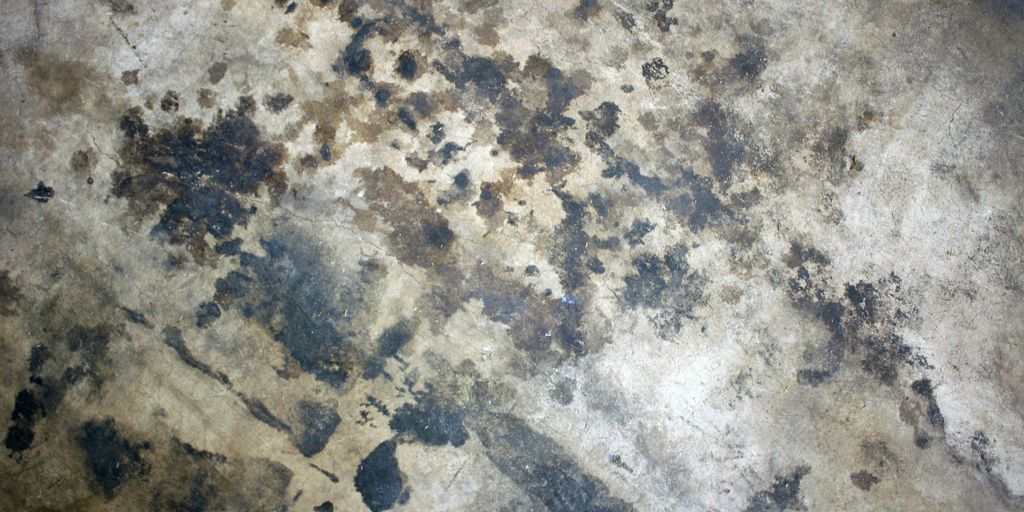
Epoxy floors are tough, but they aren’t invincible. Over time, you’ll probably see some wear and tear. Knowing what to look for and what causes it can help you catch problems early and prevent bigger headaches down the road. It’s all about understanding the enemy, right?
Identifying Cracks and Chips in Epoxy Floors
Cracks and chips are super common. Cracks often start small, like hairline fractures, but can grow if you don’t address them. They’re usually caused by movement in the concrete underneath, or sometimes just from heavy impacts. Chips, on the other hand, are usually from something heavy being dropped. Keep an eye out, especially in high-traffic areas. For Pittsburgh commercial properties, pay special attention to high-traffic zones where wear typically accelerates.
Understanding Peeling and Delamination Issues
Peeling and delamination are adhesion problems. Basically, the epoxy isn’t sticking to the floor like it should. This can happen for a few reasons. Maybe the floor wasn’t prepped right before the epoxy was applied, or maybe there’s moisture seeping up from below. Sometimes, it’s just a bad batch of epoxy. Whatever the reason, it’s important to fix it fast, because it can spread like wildfire. If you are looking for epoxy coating fixes, make sure to find a reputable company.
Addressing Discoloration and Chemical Stains
Discoloration and stains are usually cosmetic, but they can still be annoying. UV light can cause epoxy to yellow over time, especially if it’s not a high-quality product. Chemical spills can also stain the floor if they’re not cleaned up right away. Some chemicals can even damage the epoxy, so it’s important to know what you’re dealing with.
It’s important to remember that every floor is different. What works for one might not work for another. If you’re not sure what’s causing the damage, it’s always best to call in a pro. They can assess the situation and recommend the best course of action.
Professional Epoxy Floor Repair Services: When to Call the Experts
While fixing small epoxy floor problems yourself can save some money, there are times when calling in the pros is the best move. Knowing when to hand things over to experts can save you from bigger headaches and costs down the road.
Assessing Extensive Damage and Moisture Problems
DIY repairs work well for minor issues, but extensive damage needs professional attention. If you’re dealing with large areas of damage, deep cracks that go into the concrete, or widespread delamination, it’s time to call in the experts. Also, watch out for moisture problems. Signs like bubbling or white, powdery deposits (efflorescence) mean there’s moisture underneath, and pros have the tools to find and fix the source.
Specialized Techniques for Structural Repairs
Professionals use advanced methods for fixing structural issues. For example, they might use injection systems to repair cracks or color-matching systems to make repairs blend in perfectly. These techniques require experience and specialized equipment that most homeowners don’t have. Here’s a quick look at some common repair methods:
| Repair Type | Description |
|---|---|
| Crack Injection | Fills cracks with epoxy to restore structural integrity. |
| Color Matching | Blends repair materials with the existing floor color for a seamless look. |
| Moisture Mitigation | Addresses underlying moisture issues to prevent future damage. |
Trying to fix structural problems without the right knowledge can make things worse. Professionals can accurately diagnose the problem and apply the right solution.
Benefits of Professional Epoxy Floor Restoration
Choosing professional epoxy floor installation offers several advantages:
- Proper Assessment: Pros can accurately assess the extent of the damage and identify underlying issues.
- Quality Materials: They use high-quality materials that are designed for long-lasting repairs.
- Expert Application: Professionals have the skills and experience to apply repair materials correctly, ensuring a durable and seamless finish.
- Warranty: Many contractors offer warranties on their work, giving you peace of mind.
- Time Savings: Hiring pros saves you time and effort, allowing you to focus on other things.
For commercial spaces, especially those with specific needs like food processing or healthcare, it’s even more important to use contractors who know the industry rules and can suggest the right fixes. Businesses that need to keep downtime to a minimum need experienced teams that can finish repairs quickly without disrupting operations. They might use fast-curing systems or heavy-duty products designed for industrial use. Sectional repairs are also a good option, allowing targeted fixes without having to redo the entire floor. Regular inspections and quick attention to small problems can also help prevent bigger issues later on. Ultimately, professional epoxy floor repair services ensure your floors look good and perform well for years to come.
DIY Epoxy Floor Repair: Step-by-Step Approaches for Minor Damage
For small imperfections, you might be able to handle the repairs yourself. It’s a good way to save some money, but be realistic about your skills. If the damage is extensive, calling in a pro is probably the better bet. But for minor chips and cracks, let’s get started.
Gathering Essential Tools and Materials
First, you’ll need to gather your supplies. Don’t skimp on quality here; it’ll make a difference in the final result. Here’s a list to get you started:
- Epoxy patching compound (make sure it’s compatible with your existing floor)
- Mixing containers and sticks
- Sandpaper (various grits)
- Cleaning supplies (degreaser, cloths)
- Putty knife or squeegee
- Safety glasses and gloves
Preparing the Damaged Area for Repair
Preparation is key to a successful repair. Start by thoroughly cleaning the damaged area. Remove any loose debris, dirt, or grease. For cracks, use a vacuum to suck out any particles. Sand the area lightly to create a rough surface for better adhesion. Wipe away any sanding dust with a tack cloth. A clean surface ensures the epoxy coating fixes properly.
Applying Epoxy Patching Compounds Effectively
Now for the fun part! Mix the epoxy patching compound according to the manufacturer’s instructions. Be precise with your measurements; it’s important for proper curing. Apply the compound to the damaged area, slightly overfilling it to account for shrinkage. Use a putty knife or squeegee to smooth it out. Let it cure completely before walking on it. Curing times vary, so check the product instructions.
Remember, patience is a virtue. Don’t rush the curing process. Temperature and humidity can affect curing times, so keep that in mind. A little extra time can make a big difference in the durability of your repair.
Commercial Epoxy Flooring Repair: Solutions for High-Traffic Areas
Commercial spaces put epoxy floors through a lot. We’re talking heavy foot traffic, machinery, and constant activity. Because of this, regular repairs might not cut it. You need solutions that are tough and don’t cause a ton of downtime.
Fast-Curing Systems for Minimal Downtime
Fast-curing epoxy systems are a game-changer for commercial repairs. These systems can cure in just a few hours, so businesses can get back to work quickly. It’s a big deal when you can avoid long shutdowns. Many places opt for these when traditional methods would take days.
Heavy-Duty Products for Industrial Environments
For industrial settings, you need something that can really take a beating. Heavy-duty epoxy repair products are designed to handle impacts and abrasion. These often have extra stuff mixed in, like fiberglass, ceramic beads, or special aggregates. This helps them withstand forklift traffic, dropped tools, and chemical spills.
Sectional Repairs and Preventative Maintenance Programs
Sectional repairs let you fix damaged spots without redoing the whole floor. Experienced contractors can blend new materials with the old, so you only fix what’s broken. This is great for retail spaces where looks matter. Many businesses also benefit from preventative maintenance programs that include regular inspections and quick fixes for small problems.
Think of it like this: a small crack fixed early is way cheaper and easier than replacing a whole section later. Regular check-ups and quick repairs can save a lot of money and hassle in the long run.
Here’s a quick look at some common repair needs and solutions:
| Problem | Solution |
|---|---|
| Small Cracks | Epoxy injection or patching compound |
| Large Cracks | Structural epoxy repair with reinforcement |
| Peeling | Surface preparation and re-coating |
| Chemical Stains | Specialized epoxy coatings |
| Impact Damage | Heavy-duty epoxy with aggregates |
Preventative Maintenance for Your Repaired Epoxy Floor
So, you’ve just had your epoxy floor repaired. Great! Now, how do you keep it looking good and prevent future problems? It’s all about preventative maintenance. Think of it like taking care of a car – a little effort now saves you big headaches (and expenses) later.
Daily and Weekly Cleaning Routines
Daily cleaning is super simple. Just sweep or dust mop the floor to get rid of any loose dirt or debris. This prevents scratches and keeps the surface looking its best. For weekly cleaning, use a pH-neutral cleaner and a soft mop. Avoid harsh chemicals or abrasive scrubbers – they can damage the epoxy. A gentle approach is key to maintaining the floor’s integrity.
Establishing Regular Inspection Schedules
Don’t just wait for something to go wrong before you take a look at your floor. Set up a regular inspection schedule – maybe once a month – to check for any signs of wear and tear. Look for small cracks, chips, or areas where the coating seems thin. Catching these problems early means you can fix them before they turn into bigger, more expensive issues. Pay special attention to high-traffic areas, like doorways or spots where heavy equipment is used. Addressing these issues early with epoxy coating fixes can prevent extensive damage.
Protective Measures to Extend Floor Life
Think about ways to protect your floor from damage in the first place. Entry mats at doorways can trap dirt and moisture, preventing them from being tracked onto the epoxy surface. Furniture pads under table and chair legs can prevent scratches and dents. For industrial settings, consider using heavy-duty mats or runners in areas where there’s a lot of foot traffic or equipment movement. These simple steps can significantly extend the life of your epoxy flooring.
Consider this: a little bit of prevention goes a long way. By implementing these simple maintenance routines and protective measures, you can keep your repaired epoxy floor looking great for years to come. It’s an investment in the long-term durability and appearance of your space.
Choosing the Right Epoxy Floor Repair Services Provider
Key Qualities of a Reputable Contractor
Finding the right contractor for your epoxy floor repair is important. You want someone reliable, skilled, and trustworthy. Look for contractors with proper licensing and insurance. Check online reviews and ask for references from past clients. A good contractor will provide a detailed quote, outlining the scope of work, materials used, and project timeline. Communication is key; they should be responsive to your questions and concerns throughout the entire process.
Importance of Experience and Industry Knowledge
Experience matters when it comes to epoxy floor repair. A contractor with years in the field has likely seen and solved a wide range of problems. They’ll understand the nuances of different epoxy systems and how they react to various conditions. They should also be knowledgeable about industry best practices and safety standards. Don’t hesitate to ask about their experience with similar projects and their understanding of epoxy coating fixes.
Ensuring Long-Term Value and Durability
To get the most out of your epoxy floor repair investment, focus on long-term value and durability. This means choosing a contractor who uses high-quality materials and proven techniques. They should also offer a warranty on their work, giving you peace of mind. A reputable contractor will also advise you on preventative maintenance measures to extend the life of your repaired floor. Consider asking about preventative maintenance programs that include regular inspections.
Selecting the right contractor is about more than just price. It’s about finding a partner who will deliver a durable, long-lasting solution that meets your specific needs and budget. Take the time to do your research and choose wisely.
Picking the right company to fix your epoxy floor is super important. You want someone who knows their stuff and will do a great job. Don’t just pick the first name you see! Make sure they have good reviews and experience. To learn more about how we can help, check out our website for a free quote.
Wrapping It Up: Keeping Your Epoxy Floors Looking Good
So, there you have it. Taking care of your epoxy floors, whether at home or work, really makes a difference. When you see those first little cracks or chips, don’t just ignore them. Getting them fixed fast, or even doing a quick DIY repair if it’s small enough, can save you a ton of hassle and money down the road. And for bigger problems, or if you just want it done right, calling in the pros is always a smart move. They’ve got the tools and know-how to make your floors look new again and keep them that way. A little bit of attention now means your floors will stay tough and good-looking for a long, long time.
Frequently Asked Questions
What usually causes damage to epoxy floors?
Epoxy floors can get damaged in a few ways: cracks and chips from things dropping or the floor moving; peeling or lifting when the epoxy doesn’t stick well, often due to moisture or bad installation; and stains or color changes from harsh chemicals or too much sun.
When is it better to hire a professional for epoxy floor repair instead of doing it myself?
You should call in the pros if you have really big cracks, lots of peeling, or if you think water is causing the problem. Also, if your building gets a lot of use, like a factory or a busy store, experts can make sure the repair lasts and meets any special rules.
Can I fix small epoxy floor problems by myself?
For small issues like tiny chips or thin cracks, you can often fix them yourself. You’ll need cleaning stuff, sandpaper, a patching mix, and tools to put it on. Just make sure the area is super clean and dry before you start.
How are epoxy floor repairs handled in busy commercial places?
For places with lots of foot traffic or heavy machines, we use special fast-drying epoxy so you can get back to work quickly. We also use super strong materials that can handle impacts and chemicals, and we can fix just one section without redoing the whole floor.
What’s the best way to take care of my epoxy floor after it’s been fixed?
To keep your repaired epoxy floor looking good, clean it regularly with a soft mop and a mild cleaner. Check it often for any new small problems, and use mats at entrances and pads under furniture to protect it from dirt and scratches.
How do I pick the right company to fix my epoxy floor?
Look for a company that has a lot of experience with epoxy floors, knows about different types of damage, and has good reviews. They should be able to explain their process clearly and offer solutions that will make your floor last a long time.
0 Comments