

Thinking about upgrading your basement? An epoxy floor for basement San Mateo CA could be just what you need. Epoxy floors have become really popular around here, especially for basements that deal with dampness or just need a fresh look. They’re tough, easy to clean, and you can pick from a bunch of different colors and finishes. If you’re in San Mateo, it’s worth learning how epoxy floors work, what they cost, and what to look out for before starting your project.
Key Takeaways
- Epoxy floors are great for basements in San Mateo because they resist moisture and mold.
- They last a long time and can handle heavy use without wearing out quickly.
- Epoxy floors are easy to clean and don’t need much maintenance.
- There are lots of ways to customize the look, from colors to patterns and finishes.
- Hiring a local, experienced contractor makes a big difference in how your floor turns out.
Benefits of Installing an Epoxy Floor for Basement San Mateo CA
Epoxy floors in basements are popular around San Mateo for many reasons. They’re not just tough—they actually make the whole space more comfortable and much easier to use. Below, you’ll find key benefits that matter if you’re planning to revamp a basement floor in this region.
Moisture and Mold Resistance
Basements in San Mateo often deal with moisture, especially during those foggy months. Epoxy coating creates a tight seal over concrete, so water doesn’t seep through easily. This keeps your basement drier and helps block out mold and mildew before they start. That’s good news if you want to turn a musty basement into a livable zone or just want to store things without worrying they’ll get ruined.
Main Advantages:
- Seals out moisture with a protective barrier
- Cuts down on mold, mildew, and musty smells
- Keeps stored items and furniture dry
- Makes it easier to clean up after minor leaks
Even on the dampest days, an epoxy floor helps keep your basement cleaner and healthier, so you don’t have to stress about hidden moisture problems lurking beneath the surface.
Long-Lasting Durability
Let’s be honest—basement floors see plenty of wear. Between foot traffic, storage boxes, and maybe even a treadmill or two, you need something tough. Epoxy resurfacing is known for being especially sturdy and is a commonly used protective option in high-traffic areas like basements (epoxy resurfacing provides a durable, protective layer). It resists scratches, impact, and chips that would destroy other types of surfaces.
Key Durability Features:
- Holds up well against scrapes and impacts
- Handles heavy storage racks and workout gear
- Doesn’t chip or flake like regular paint or sealers
- Lasts years longer than carpet or basic concrete
Here’s a quick comparison:
| Flooring Type | Avg. Lifespan (Years) | Resistance to Damage |
|---|---|---|
| Carpet | 5–10 | Low |
| Tile | 10–15 | Medium |
| Bare Concrete | 10–15 | Low-Med |
| Epoxy | 15–25 | High |
Improved Safety and Slip Resistance
If you’ve ever slipped on a slick basement floor, you know how risky it can be. Epoxy provides a textured surface option that cuts down on slips, making it safer for everyone—especially kids and older folks. Some coatings are formulated with anti-slip additives for extra grip, so even a spill won’t mean disaster.
Safety Highlights:
- Choice of slip-resistant finishes for extra protection
- Minimizes trip hazards due to cracks or unevenness
- Brightens the space, making it easier to see and move around
When you install an epoxy floor, you’re making the basement not just better looking, but safer to walk, work, or play on—rain or shine, all year round.
Cost Considerations for Epoxy Floor for Basement San Mateo CA
Epoxy floors seem like a big step—and honestly, the cost is usually the first thing people ask about. In San Mateo, you’re not just paying for the material, though. You’re investing in something that holds up way longer than most other basement floors. So, let’s break down what really goes into that price, when you can expect a payoff, and what’s unique about costs around here.
Upfront vs. Long-Term Value
Epoxy floors might cost more to install at the start, but you’ll probably save money by not having to repair, replace, or constantly maintain your floor down the line.
Here’s a quick comparison table to show you how the numbers often shake out:
| Flooring Type | Typical Upfront Cost (per sq ft) | Expected Lifespan | Maintenance Cost (per year) |
|---|---|---|---|
| Epoxy | $6 – $12 | 15–20 years | $20–$50 |
| Carpet | $3 – $8 | 5–10 years | $100–$250 |
| Vinyl/Laminate | $2 – $7 | 8–15 years | $50–$100 |
Over time, those numbers tell the story—epoxy’s initial price tag fades in the rearview mirror as you spend less on upkeep and replacements year after year.
Factors Affecting Price in San Mateo
It’s not just about picking epoxy; the San Mateo location brings a few cost curveballs. Here’s what influences the price:
- Basement moisture levels: More moisture means extra prep work (think: waterproofing, sealing), and that adds dollars.
- Size and layout: Small, oddly shaped basements need more custom work, sometimes raising the price per square foot.
- Product choices: Plain finishes cost less, while those wild metallic looks or thick decorative flakes push the budget up.
- Access and labor: If getting tools and materials into your basement is tricky, expect a little bump in the overall price.
Return on Investment for Homeowners
Wondering if you’ll see that money again? While it’s hard to pin down exact numbers, here’s how epoxy usually pays off for San Mateo homeowners:
- Lower maintenance spending each year compared to carpet or tile.
- Increased home appeal if you ever decide to list your place—buyers see a protected, finished basement as a big plus.
- Fewer worries about damage from water, spills, or that paint can that always seems to tip over.
When you factor in fewer repairs and a longer-lasting surface, epoxy flooring often ends up being one of the smartest choices for a basement upgrade in San Mateo.
Design and Customization Options for Your Basement Epoxy Floor
When you’re picking out an epoxy floor for your basement in San Mateo, it’s more than just about durability — you also get lots of ways to give your space a personal touch. Whether you want something subtle or a bold statement underfoot, epoxy can make it happen. Epoxy flooring stands out because anyone can mix and match design choices for a one-of-a-kind look. Here’s how you can customize your basement while getting a floor that lasts.
Color Flakes and Patterns
Adding color flakes is one of the most popular moves for basement epoxy floors. Here’s why people love them:
- Hide imperfections left over from older concrete
- Add slip resistance (especially useful in a basement)
- Lots of color varieties to fit your style
You can sprinkle flakes lightly for a softer pattern or toss them down for a rich, textured look. Besides flakes, stencils and geometric patterns are on the table—think checkers, waves, or abstract shapes. Local professionals guide you through these options so you get exactly what works for your room.
Metallic and Decorative Finishes
Some folks are bored with plain flooring, and that’s where metallic finishes come in. You pour in special pigments, and the floor ends up with ripples, swirls, or even a glossy, 3D effect—kind of like flowing water or polished marble. These floors are super popular in basements being converted into game rooms, gyms, or second living areas. Metallic epoxy is eye-catching but still super tough. If shiny isn’t your thing, you can opt for stone effects, quartz blends, or other decorative touches.
Here’s a quick comparison table for these finish types:
| Finish Type | Main Feature | Popular Uses |
|---|---|---|
| Color Flake | Textured, hides wear | Laundry/utility rooms |
| Metallic | Shimmery, unique | Home gyms, rec rooms |
| Solid Color | Sleek, simple | All-purpose spaces |
| Stone/Quartz Effect | Natural look | Wine cellars, dens |
Seamless and Modern Aesthetic
A continuous, grout-free surface is not only easier to clean, but also looks clean and modern. Epoxy creates that seamless finish, so you don’t have to worry about grime getting stuck in cracks or lines. This is perfect if you want your basement to feel open and fresh. Because the floor is poured, you get a smooth surface even if the original concrete was rough or patchy.
- No seams or tile joints so it won’t trap dirt
- Works well with under-floor heating systems
- Reflects light, helping basements feel less dark
In a basement that’s been neglected, switching to epoxy flooring is a simple way to make the space more useful and a lot nicer on the eyes. It ends up feeling less like storage and more like a finished room you’ll actually want to spend time in.
In San Mateo, epoxy floors give you a bunch of design options that can turn a boring basement into one of your favorite spots in the house. Think practical, but also think personal: this floor can reflect your style as much as any other part of your home.
Maintenance and Upkeep of Epoxy Basement Floors in San Mateo
Regular care for your epoxy basement floor in San Mateo really isn’t complicated, but a little attention goes a long way. Let’s get down to the details of what’s involved.
Simple Cleaning Requirements
Keeping an epoxy floor looking sharp is surprisingly straightforward. You generally only need a broom, a microfiber mop, and a bucket of mild soap with warm water. Here’s a good routine to follow:
- Sweep up any dust or debris every week.
- Mop with a gentle soap solution once or twice a month.
- For spills, just wipe with a damp cloth; it’s that easy.
When you compare epoxy to carpet (which soaks up stains and needs steam cleaning) or old tile (lots of grout lines), maintaining epoxy feels like a relief.
Stain and Chemical Resistance
An epoxy floor resists stains from all sorts of things you’d find in a basement—think laundry detergent, paint, or even the odd oil spill. Regular flooring might get ruined if you tip over a can of paint, but with epoxy you just wipe and forget about it. Here’s a quick table to show how epoxy handles common accidents:
| Substance | Epoxy Floor Reaction |
|---|---|
| Paint spills | Wipe clean, no stain |
| Laundry detergent | No residue, easy to mop |
| Soda or coffee | No absorption, no marks |
| Bleach/cleaners | No discoloration |
Preventing Wear and Damage Over Time
To keep your epoxy basement floor looking new for years, here are a few things to remember:
- Put felt pads under heavy furniture legs.
- Avoid dragging sharp items or heavy boxes across the floor.
- If you see dull spots, you can recoat them—no ripping out the floor like with vinyl tiles.
Even in the damp, cool conditions of a Bay Area basement, epoxy holds up well as long as you stay on top of these basic habits. It really is low-fuss compared to other options.
In practice, most homeowners in San Mateo find epoxy need less attention than almost any other basement flooring they’ve tried. Set a few reminders, do a sweep and mop now and then, and you’ll never have that sinking “floor project” feeling again.
Choosing a Professional for Epoxy Floor for Basement San Mateo CA
Finding the right installer for your basement epoxy floor in San Mateo can make all the difference. With the region’s climate and unique home styles, hiring a seasoned local pro isn’t just smart—it’s pretty much necessary if you want a job that lasts. Let’s break down what to think about.
Why Hire Local Experts
Local professionals understand the quirks of San Mateo’s weather and its soil, which can really influence how an epoxy floor holds up over time. Sure, you could try a DIY kit, but there’s a lot that can go wrong—curing issues, peeling, or bubbling, especially in a damp basement. Local contractors know which products work best for our coastal climate and can handle surprise issues common in older Bay Area homes like uneven concrete and minor flooding.
Benefits of going with a San Mateo-based epoxy flooring specialist:
- They’re familiar with typical basement moisture and flooding problems.
- You’ll have access to previous local projects to check quality firsthand.
- Local pros can recommend epoxy blends that resist humidity and wear.
A local expert will handle everything—from surface prep and crack repair to final sealing—so you don’t end up with a floor that looks nice at first but fails fast.
What to Expect During Installation
Installation is usually more complex than people expect. Here’s a quick rundown of steps you might see:
- Evaluation of your basement’s condition and moisture level.
- Surface cleaning, repairs, and patching any cracks or holes.
- Application of a primer coat for adhesion.
- Multiple layers of epoxy, sometimes with custom color flakes or textures.
- Careful curing and sealing, which could take 2-3 days (or more, depending on humidity).
You should plan for your basement to be off-limits for at least several days. An honest contractor will walk you through the timeline before starting.
Questions to Ask Your Contractor
Not all contractors are the same—some only do garages or commercial spaces, while others really know residential basements. Here are good questions to ask before hiring:
- Are you licensed and insured for residential work in San Mateo?
- Can you show me pictures or addresses of recently finished basement epoxy floors?
- What steps will you take for surface prep and moisture mitigation?
- What type of warranty do you offer for basement installations?
- How do you handle unexpected issues, like damp spots or hidden cracks?
| Contractor Criteria | Why It Matters |
|---|---|
| Local experience | Knows climate/moisture challenges |
| License & insurance | Guarantees your protection |
| Recent basement projects | Shows relevant skill for your type of job |
| Clear process & warranty | Builds trust and avoids misunderstandings |
And here’s the big one: never be shy about asking for references or reading reviews. Good installers have a trail of happy customers.
Working with a local pro will make sure your basement epoxy floor not only survives San Mateo’s weather—but looks and feels solid for years to come.
Addressing Common Basement Flooring Challenges in San Mateo
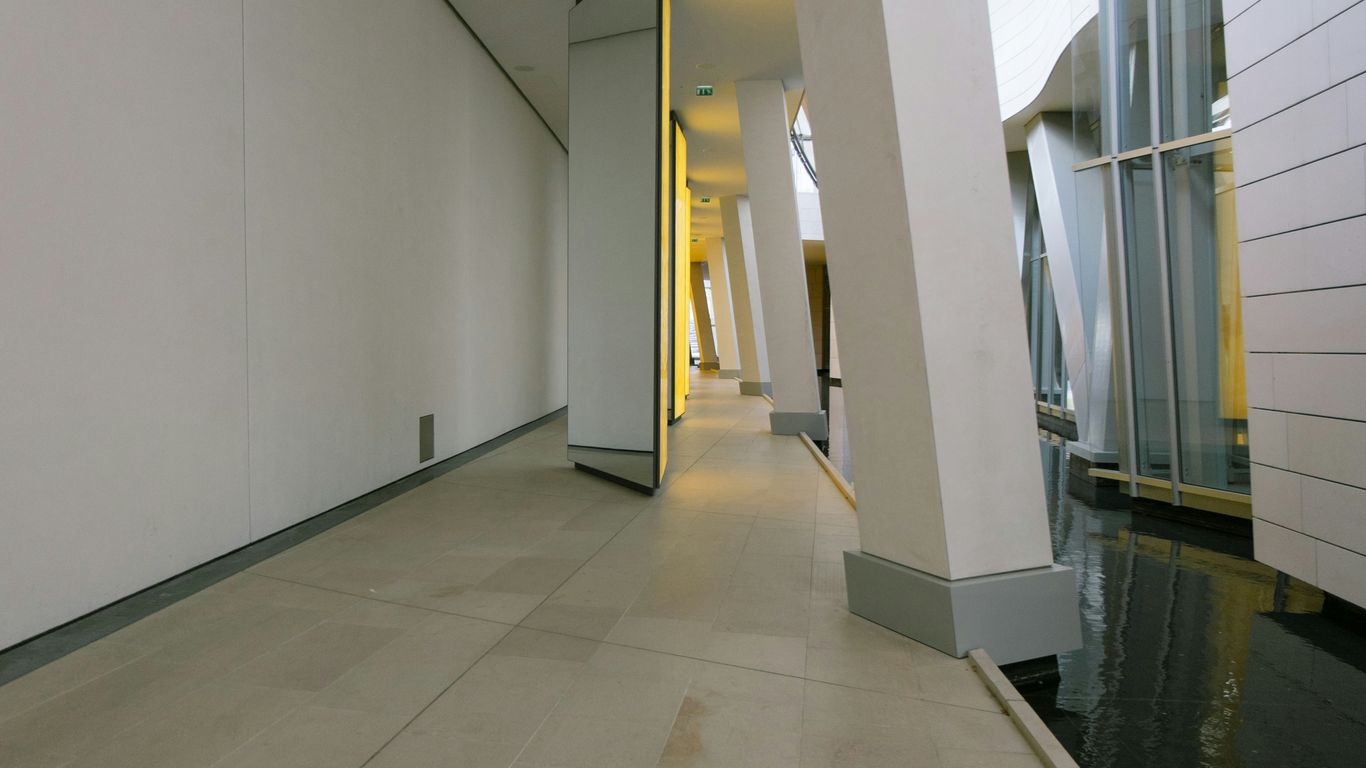
San Mateo basements have their fair share of headaches. From damp seasons to unpredictable shifts in foundation, getting your floor right makes a big difference. If you’re leaning toward an epoxy floor, it’s smart to know the common challenges – and how the right prep and products help you avoid future stress.
Dealing with Dampness and Flooding
- Basements here often fight extra moisture, especially during wet months.
- Epoxy floors provide a waterproof barrier when properly applied, keeping water from seeping into the concrete.
- Before coating, make sure any existing leaks, puddles, or musty patches have been fixed, not covered up.
- Talk to your contractor about moisture testing and vapor barriers, especially if your home is in a low-lying area or close to the shoreline.
Handling water issues up front means you won’t end up with trapped moisture, peeling coatings, and hidden mold months later. Start with a dry, stable surface so your epoxy floor lasts.
Crack Repair and Surface Preparation
Small cracks and worn spots are pretty common down there. Skipping prep work is a big mistake:
- All cracks, gouges, or pitted spots need patching to avoid future flooring failures.
- Professional installers will grind and clean the slab before epoxy goes on—dust or oil left behind makes for a weak bond.
- The time spent prepping pays off—it’s the difference between a finish that lasts years, and one that peels by next winter.
Ensuring Proper Curing and Sealing
Curing and sealing aren’t just last-minute steps—they’re essential:
- Local humidity can slow the curing process, so check with your installer about drying times and best weather conditions for application.
- Sealing on top of the epoxy locks in the color and protects against the constant foot traffic.
- Don’t rush to walk or move furniture onto the floor—following your pro’s timing advice prevents accidental marks or scratches.
Here’s a quick look at typical basement flooring issues—and how epoxy tackles them:
| Challenge | Traditional Concrete | Epoxy Floor Solution |
|---|---|---|
| Dampness & flooding | Absorbs moisture | Blocks water entry |
| Cracks & surface flaws | Can worsen over time | Professionally repaired |
| Mold & mildew | Can harbor growth | Mold-resistant surface |
| Durability & stains | Easily stained | Tough, chemical-resistant |
For more on making improvements while navigating local regulations, local guidelines about exemptions for public projects might come in handy—check out details exemptions from CEQA for a closer look at relevant rules.
Take the time to handle the basics—moisture, cracks, and sealing—and your basement epoxy floor can hold up to whatever San Mateo weather throws at it.
Local Tips for Epoxy Floor Success in San Mateo CA
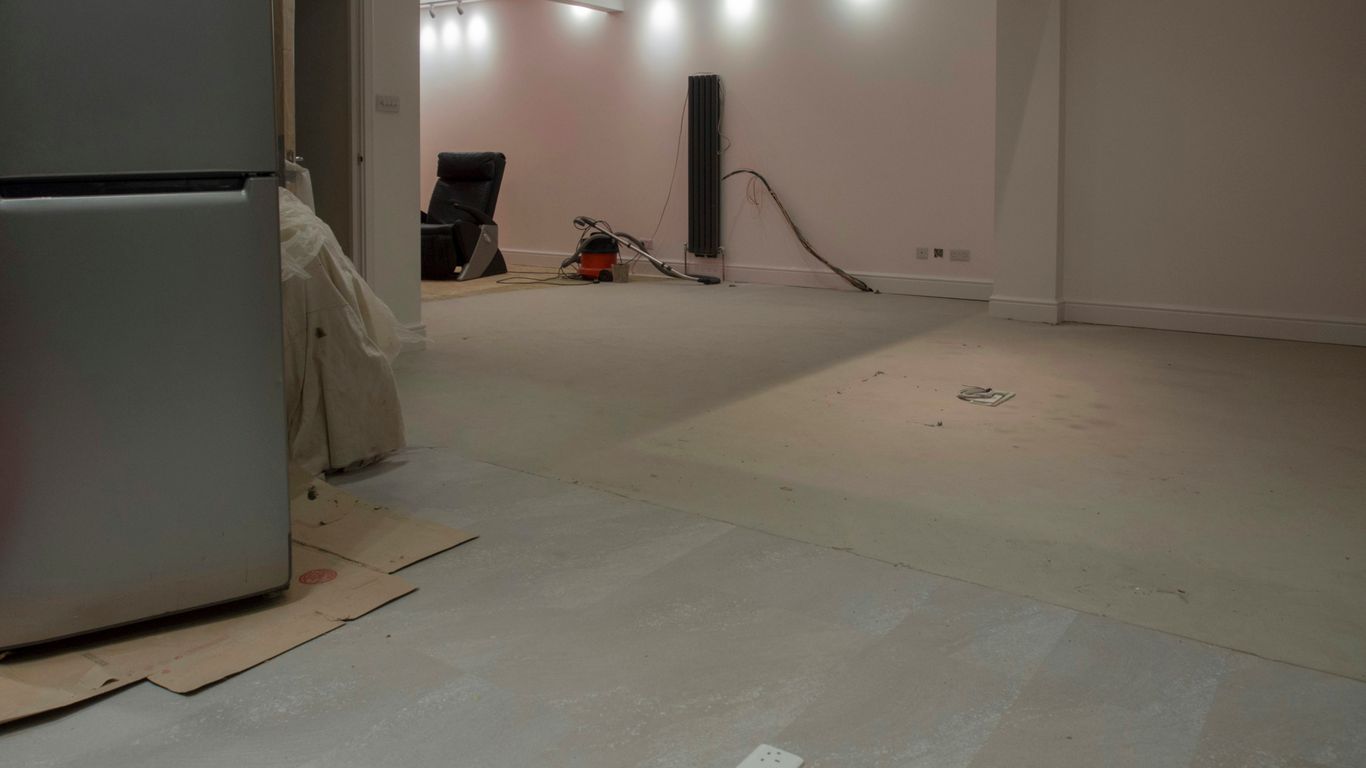
Humidity and temperature both matter when it comes to epoxy flooring in San Mateo. Spring and early fall are usually the best times for installation—the air’s not too damp, and it’s not too cold or hot. In the summer, you might run into curing problems if the basement gets sticky or muggy. Winter can slow down the curing process too, especially if it’s especially chilly or you have an older home with less insulation. Here’s a quick breakdown for basement epoxy timing:
| Season | Suitability | Notes |
|---|---|---|
| Spring | Good | Steady temps, less humidity |
| Summer | Fair | May need more ventilation |
| Fall | Good | Mild weather is ideal |
| Winter | Poor | Risk of slow curing |
If you want the process to go smoothly, plan ahead so the job fits into that mild weather window. That way your floor will cure faster, look great, and last longer.
Selecting the Right Materials for Coastal Climates
Salt in the air and the higher moisture levels along the Bay affect flooring choices. For the best results, look for moisture-blocking epoxy products specifically rated for below-grade use. Ask your local contractor about sealers and primers made for coastal basements, since these are designed to keep humidity out. You’ll also want to select an epoxy mix that’s UV-stable if you’re considering a basement with lots of windows. Some steps that can help:
- Ask for moisture-mitigating primer products
- Choose high-solids or 100% solids epoxy for maximum durability
- Double-check that your topcoat resists both salt and mildew
Your contractor might recommend a specific blend or finish based on past projects. If you’re stuck, reach out to local experts like Groundworks in Sunnyvale for advice—they work with various basement conditions common to the San Mateo area.
Working with Licensed and Insured Contractors
Never skip this step: always check that your installer is licensed, insured, and familiar with the quirks of San Mateo basements. Local contractors know the common issues, whether it’s cracking, shifting, or water vapor sneaking up through the foundation. If something goes wrong and the contractor isn’t fully insured, you could be stuck with repair costs. To make sure you’re protected:
- Ask to see license and insurance paperwork before work starts.
- Request a detailed quote—include materials, labor, and clean-up.
- Get references for other basement jobs the company has done locally.
That extra bit of research can save you a lot of trouble in the long run. Good local pros will walk you through the product options, installation process, and even basic maintenance, so you get a floor that stands up to San Mateo’s unique environment.
Want your epoxy floor in San Mateo, CA to last? Prep is key! Cleaning and proper drying help make epoxy stick better. For more tips or to get help, visit our website today and see how easy it is to get a nice, strong floor!
Wrapping Up: Is Epoxy Right for Your San Mateo Basement?
So, if you’re thinking about giving your basement a new look in San Mateo, epoxy flooring is definitely worth a shot. It’s tough, stands up to moisture, and doesn’t need a lot of fuss to keep it looking good. The upfront cost might seem a bit high, but you’ll save money in the long run since you won’t be dealing with constant repairs or replacements. Plus, you can pick from a bunch of colors and finishes to match your style. Local pros know how to handle the quirks of Bay Area homes, so you’ll get a floor that lasts. All in all, epoxy is a solid choice if you want something that’s both practical and nice to look at. If you’re ready to make the switch, reaching out to a local expert is a good next step.
Frequently Asked Questions
Is epoxy flooring a good choice for basements in San Mateo, CA?
Yes, epoxy flooring is a great option for basements in San Mateo because it stands up well to moisture, helps prevent mold, and is very durable. It also looks nice and is easy to clean, making it perfect for turning your basement into a livable space.
How much does it cost to install an epoxy floor in a basement?
The price can vary based on the size of your basement, the type of epoxy you choose, and how much prep work is needed. On average, you might spend between $4 and $10 per square foot. While the upfront cost can be higher than other flooring, epoxy lasts a long time and needs less upkeep, saving money over time.
Can I customize the look of my basement epoxy floor?
Absolutely! You can pick from lots of colors, patterns, and finishes. Some people add color flakes, metallic swirls, or even special designs to match their style. Epoxy floors can be made to look modern, bright, or even like marble.
How do I keep my epoxy basement floor clean?
Epoxy floors are super easy to clean. Just sweep or vacuum to remove dirt and dust. For spills or stains, use a mop with soap and water. Since epoxy is seamless, there are no cracks for dirt to hide in.
Should I hire a professional to install my basement epoxy floor?
It’s best to hire a local expert because they know how to prep the surface right and apply the epoxy correctly. A pro will make sure the floor cures properly and lasts for years. They also know how to handle any challenges like cracks or damp spots.
What are common problems with basement flooring in San Mateo, and how does epoxy help?
Basements in San Mateo can have problems with dampness, cracks, and even flooding. Epoxy flooring creates a waterproof barrier that helps keep moisture out and makes the floor stronger. Professionals also fix cracks and seal the surface before applying epoxy, which helps prevent future problems.
0 Comments